
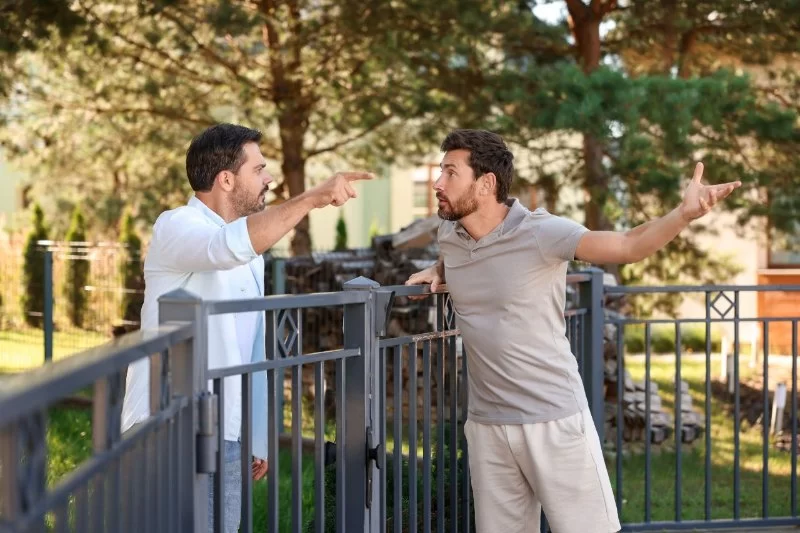
- 1 - Understanding Boundary Disputes with Neighbors
- 2 - How to Approach a Boundary Dispute with Your Neighbor
- 3 - Common Causes of Boundary Disputes
- 4 - Resolving Boundary Issues Without Involving a Lawyer
- 5 - When to Involve a Lawyer in Boundary Disputes
- 6 - Case Study: A Successful Boundary Dispute Resolution
1. Understanding Boundary Disputes with Neighbors
As a homeowner, the relationship with your neighbors can be one of the most significant aspects of your living experience. While it’s ideal to have friendly, cooperative neighbors, disputes can sometimes arise, especially when it comes to property lines and boundaries. I’ve personally experienced how confusing and frustrating a boundary dispute can be, especially when emotions run high and there’s a lack of understanding about property rights. A boundary dispute with a neighbor can stem from simple misunderstandings to more complex legal issues regarding property ownership and rights.
In this article, I’ll share everything I’ve learned about handling a boundary dispute with a neighbor, including how to approach the situation calmly, how to navigate the legal aspects, and when to seek professional help. Understanding the basics of property lines and your rights can make a huge difference when it comes to resolving disputes peacefully.
2. How to Approach a Boundary Dispute with Your Neighbor
The first step in handling a boundary dispute with a neighbor is to approach the situation calmly and respectfully. I know firsthand how easy it is for emotions to flare up, especially when it feels like your property is being encroached upon. However, it's important to keep in mind that resolution often begins with a conversation. Here’s what I learned:
2.1 Keep the Conversation Calm and Respectful
Whether you’re speaking to your neighbor in person or through a letter, keeping the tone of your communication calm and professional is crucial. Start by explaining the issue clearly—mention what you’ve noticed, why you believe it’s a problem, and how you’d like to resolve it. Avoid accusatory language and instead, focus on facts. I’ve found that starting with “I’ve noticed that...” rather than “You’re doing this wrong...” can make a big difference in how the conversation goes.
2.2 Get Everything in Writing
If the conversation goes well, consider putting the agreement in writing. This could be a simple email or letter summarizing what you both agreed to. Having everything documented ensures that both parties are on the same page and can help avoid future misunderstandings.
2.3 Be Prepared to Compromise
In my experience, compromise is often necessary in boundary disputes. While it’s important to stand up for your rights, resolving the issue without escalating it usually requires both parties to make some concessions. Sometimes, a small change or adjustment can lead to a solution that works for both of you.
3. Common Causes of Boundary Disputes
Boundary disputes with neighbors can arise for many reasons. It’s helpful to understand the common causes of these issues so you can be better prepared to prevent or resolve them.
3.1 Misunderstood Property Lines
One of the most common causes of boundary disputes is a misunderstanding of property lines. This is especially true in older neighborhoods where properties may have shifted over time due to natural erosion, tree growth, or even previous construction. I’ve had neighbors who weren’t aware of where the property lines were, and simple clarifications solved the issue. A property survey is an essential tool in these cases to establish clear and accurate property boundaries.
3.2 Encroachment
Encroachment occurs when one property owner unintentionally or intentionally uses part of a neighboring property, such as a fence being placed on the wrong side of the line or tree branches hanging over into another person’s yard. While it can be accidental, it often leads to tension, especially if the encroachment results in damage or loss of land use.
3.3 Fence and Boundary Disagreements
Fences are a common source of boundary disputes. Whether it’s about where the fence should be placed, who is responsible for maintaining it, or who should pay for the costs, these can escalate quickly. I’ve seen neighbors dispute the exact location of fences that were built years ago, each party claiming the other was in the wrong. Setting clear boundaries with a proper survey can help prevent such disputes from arising in the first place.
4. Resolving Boundary Issues Without Involving a Lawyer
Not every boundary dispute requires legal action. Many issues can be resolved through open communication and mutual understanding. Here’s what I’ve learned about resolving these types of disputes on your own:
4.1 Conduct a Property Survey
If there’s uncertainty about the property line, the first step should always be to conduct a property survey. This will provide an official, legally recognized determination of where your property ends and your neighbor’s begins. I’ve personally used a surveyor to resolve an issue regarding a fence placement, and it was the simplest way to get clarity and avoid further arguments.
4.2 Talk to Your Neighbor About the Issue
As mentioned earlier, open communication is key. I’ve found that many disputes are based on misunderstandings that can easily be resolved with a respectful conversation. Bring the survey results to the conversation to offer a neutral reference point. Approach the discussion calmly, and express a desire to find a solution that works for both parties.
4.3 Mediation Services
If communication doesn’t lead to a solution, consider using a mediator. Mediation can be a great way to work through boundary disputes without involving the courts. In my experience, mediation helps both parties understand each other’s concerns and arrive at a fair compromise, with a neutral third party guiding the conversation.
5. When to Involve a Lawyer in Boundary Disputes
Sometimes, despite all efforts, boundary disputes cannot be resolved through conversation or mediation. In these cases, it may be necessary to involve a lawyer. Here’s when I believe it’s important to seek legal help:
5.1 When There is a Threat of Legal Action
If your neighbor threatens to take legal action, it’s time to consult with a lawyer. In my case, when a neighbor repeatedly ignored the results of a property survey, it became clear that legal intervention would be needed to resolve the issue fairly.
5.2 When You Need to Understand Your Legal Rights
If you are unsure about your legal rights or how to proceed with resolving the dispute, consulting a lawyer can help. Legal professionals are able to explain your options clearly and help you navigate the complexities of property law.
5.3 If the Dispute Involves Significant Property Damage
If the boundary dispute involves significant property damage, such as destruction of fencing, trees, or landscaping, legal advice can help protect your interests and ensure you are properly compensated for the damage caused.
6. Case Study: A Successful Boundary Dispute Resolution
In one of my personal experiences, I dealt with a boundary dispute involving a fence that had been placed incorrectly by a previous homeowner. The dispute was causing tension between us and our neighbor, as the fence was encroaching by several inches onto their property. Rather than letting it escalate, I first contacted a surveyor, who confirmed the fence placement error. I then approached my neighbor with the survey results and proposed a solution—shifting the fence slightly to restore the boundary lines.
We managed to resolve the situation amicably without involving lawyers, simply by communicating openly, understanding each other’s concerns, and agreeing to a fair solution. This experience taught me the value of a professional survey, the importance of staying calm, and the power of direct communication.
If you’re facing a boundary dispute with a neighbor, remember that there are solutions available. Whether it’s through understanding your property rights, communicating clearly, or seeking professional help, the goal is to maintain a positive relationship while protecting your property. If you're in need of legal advice, don't hesitate to consult with a trusted professional, like Fred Miller Lawyer, to ensure your rights are respected.
 112 madison ave nyc
 robert schwartz lawyer
 attorney in annandale
 108-18 queens boulevard
 the ticket clinic a law firm miami
 nick snyder law firm