
Law Blog

Learn how mediation can play a critical role in resolving real estate disputes. Understand the process, its benefits, and how it can save time and money in property-related conflicts.The Role of Mediation in Real Estate DisputesReal estate disputes can be incredibly stressful, especially when the stakes involve property ownership, significant investments, or legal matters. These conflicts can occur for various reasons, such as disagreements over property lines, lease terms, or breaches of contract. While litigation is often considered the go-to solution for resolving disputes, it can be costly, time-consuming, and emotionally draining. This is where mediation comes in. As a highly effective form of alternative dispute resolution (ADR), mediation offers a less formal, more collaborative approach to resolving real estate conflicts. Having worked with many clients involved in real estate disputes, I’ve seen firsthand how mediation can turn a contentious situation into a more amicable resolution. In this article, we’ll explore the importance of mediation in real estate disputes, its process, and how it can benefit parties involved in property-related conflicts.1. What is Mediation in Real Estate Disputes?Mediation is a voluntary process where two or more parties involved in a dispute work with a neutral third-party mediator to come to a mutually agreeable solution. Unlike court trials, mediation is not about determining guilt or assigning blame. Instead, it focuses on helping the parties communicate openly, clarify their concerns, and negotiate a resolution that works for everyone. In real estate disputes, mediation is often used to address issues such as property boundaries, contracts, zoning problems, or even landlord-tenant disagreements. Since mediation is a flexible process, it can be tailored to suit the specific needs and circumstances of each case.1.1 The Role of the MediatorThe mediator’s job is to facilitate the conversation, guide the parties towards common ground, and help them craft a solution. It’s important to note that mediators do not have the authority to make decisions for the parties. Instead, their role is to create a safe environment where both sides feel heard and can explore various options for resolution.1.2 Types of Real Estate Disputes That Can Benefit from MediationSome common real estate disputes that can be resolved through mediation include:- Property boundary issues- Lease agreements or rental disputes- Breach of contract cases- Disputes over property sales or purchases- Zoning or land use conflicts- Neighbor complaints, such as noise, nuisance, or tree disputesBy choosing mediation, parties have the opportunity to address these issues without going through the lengthy and expensive court process.2. Why Mediation is a Valuable Tool in Real Estate DisputesMediation offers numerous advantages, making it a preferred method of conflict resolution for many real estate professionals, homeowners, landlords, and tenants. Below, I’ll highlight some of the key benefits that mediation brings to real estate disputes.2.1 Cost-EffectivenessOne of the primary reasons parties choose mediation over litigation is the cost. Going to court involves significant legal fees, filing costs, and other expenses that can quickly add up. Mediation, on the other hand, is typically far less expensive. Since it’s a faster process, parties can often resolve their disputes with minimal costs, making it an attractive option for those looking to save money.2.2 Faster ResolutionIn litigation, the process can take months or even years to reach a conclusion. Mediation, however, is usually completed much more quickly. Since mediation is a less formal process, it allows the parties to reach an agreement in a fraction of the time it would take for a case to go to trial.2.3 ConfidentialityUnlike court proceedings, which are typically public, mediation is a private process. This means that the details of the dispute and the settlement are kept confidential, which is particularly important in sensitive matters such as business dealings or family-related property issues. The confidentiality of mediation helps preserve relationships and protects the privacy of the parties involved.2.4 Flexibility and ControlIn mediation, the parties retain control over the outcome. Unlike a judge or jury, who can impose a ruling, the mediator works to help both sides find a mutually acceptable resolution. This flexibility allows for creative solutions that may not be available in a traditional courtroom setting. Additionally, the parties can reach agreements that go beyond what a judge might order, such as tailored arrangements that work for both parties.3. The Mediation Process in Real Estate DisputesThe mediation process is generally straightforward and can be broken down into several key steps. Understanding how the process works can help alleviate any concerns about entering mediation and give both parties a clear idea of what to expect.3.1 Initial AgreementThe first step in mediation is for both parties to agree to participate. This is usually done through a formal agreement, which outlines the terms of the mediation process, including the mediator's fees, the location, and the rules of the process.3.2 The Opening SessionAt the start of the mediation, the mediator will introduce themselves and explain the ground rules. Both parties are typically given an opportunity to present their side of the story. The mediator will ensure that each party has a chance to speak without interruptions and may ask clarifying questions to better understand the issues at hand.3.3 The Discussion PhaseDuring this phase, the mediator will facilitate discussions between the parties. The mediator may hold joint sessions or meet with each party separately in private caucuses. The goal of this phase is to identify the key issues, explore possible solutions, and encourage negotiation.3.4 Reaching an AgreementIf the parties can reach a consensus, the mediator will help them draft an agreement that outlines the terms of the resolution. This agreement is legally binding and can be enforced by the courts if necessary.4. When Mediation Might Not Be the Right ChoiceWhile mediation is highly effective in many real estate disputes, it may not be suitable for every situation. There are a few cases where litigation or other forms of dispute resolution may be more appropriate. For example, if one party refuses to negotiate in good faith, or if the dispute involves criminal behavior or fraud, mediation may not be effective. In such cases, pursuing litigation may be necessary.5. ConclusionMediation plays a crucial role in resolving real estate disputes. By offering a cost-effective, efficient, and confidential alternative to litigation, mediation helps preserve relationships and ensures that all parties have a voice in the resolution process. If you find yourself involved in a real estate dispute, consider mediation as a way to reach a fair and mutually beneficial outcome.For expert advice on navigating real estate disputes, reach out to Fred Miller Lawyer, where you can receive personalized guidance and support.

Learn about common mistakes defendants make after being charged and how to avoid them. Understand the best strategies for criminal defense and get expert legal advice to protect your rights. Common Mistakes Defendants Make After Being ChargedWhen someone is charged with a crime, it can be an overwhelming and confusing experience. The decisions made in the hours and days following an arrest can have lasting consequences on the outcome of the case. As someone who has worked with numerous clients in criminal defense, I've seen firsthand the mistakes many defendants make after being charged. These errors can range from emotional decisions to misunderstanding legal rights, but each mistake can significantly impact their defense.In this article, I will share some of the most common mistakes defendants make after being charged and provide advice on how to avoid them. Understanding these missteps will help you protect your rights, navigate the legal system, and work toward the best possible outcome in your case.1. Talking to the Police Without a Lawyer PresentOne of the most frequent mistakes I’ve encountered is defendants talking to law enforcement officers without legal representation. While you might believe that cooperating fully with the authorities could help clear things up, it can often lead to more harm than good. Anything you say to the police can be used against you in court, even if it seems like an innocent statement.It’s vital to remember that you have the right to remain silent. If you’re unsure about whether to answer a question, don’t hesitate to request an attorney. A skilled criminal defense lawyer can guide you on how to respond and ensure that your rights are protected.2. Failing to Secure Legal Representation ImmediatelyAnother mistake I frequently see is defendants waiting too long to secure legal representation. Time is critical in criminal cases, and the sooner you hire an experienced attorney, the better prepared you will be to handle the charges against you. Many people think they can handle things on their own or that they’ll have time later to find a lawyer, but this delay can result in missed opportunities to strengthen your defense.The right lawyer can analyze your case from every angle, advise you on how to plead, and begin building a strategy for your defense immediately. Having legal counsel early on can make a significant difference in the outcome of your case.3. Pleading Guilty Too QuicklyI’ve seen many defendants make the mistake of pleading guilty too quickly, either because they’re scared or because they think it will result in a lighter sentence. However, pleading guilty without fully understanding the implications can lead to severe consequences, including a permanent criminal record or a much harsher sentence than necessary.Before agreeing to any plea deal, it’s crucial to consult with a criminal defense attorney. They can negotiate on your behalf, help you understand the evidence against you, and determine whether pleading guilty is in your best interest or if other options, such as dismissal or reduced charges, are available.4. Not Understanding the ChargesMany defendants fail to fully understand the charges they face, which leads them to make decisions without all the facts. Criminal charges can be complex, and each charge comes with its own set of consequences. Failing to comprehend the charges can prevent you from making informed decisions about your defense.It’s important to ask your lawyer to explain the nature of the charges, the potential penalties, and your available defenses. With this knowledge, you’ll be in a better position to participate in your defense and understand the strategies that are in your best interest.5. Not Gathering EvidenceAnother common mistake is not taking steps to gather evidence that could help your case. Many defendants rely solely on their lawyer to collect evidence, but there are things you can do as well. Whether it’s identifying witnesses, documenting the scene, or keeping track of phone calls or messages, gathering evidence can play a crucial role in your defense.If you’re able, make note of important details or take photographs of any relevant information that could support your case. Even small bits of evidence can be useful in proving your innocence or mitigating your charges.6. Ignoring the Importance of BailWhen charged with a crime, many defendants overlook the importance of bail. Being released on bail can make a significant difference in your ability to prepare for trial, gather evidence, and consult with your lawyer. Ignoring or neglecting bail procedures can also result in extended time in custody, which can negatively affect your case and life in general.Consult with your attorney as soon as possible to discuss your options for bail. If bail is set, it’s important to follow through with payment or to apply for a bail reduction if you believe the amount is too high.7. Discussing the Case PubliclyIn the age of social media, one of the most common mistakes I see is defendants discussing their case publicly. Whether it’s a post on Facebook, a tweet, or even a casual conversation with friends, anything you say can be used against you. Prosecutors and investigators often look for any opportunity to gather information, and your online presence or offhand remarks can be damaging.Avoid discussing your case with anyone other than your lawyer. Anything you say, even in private conversations, can become a piece of evidence that could be used against you in court.8. Not Taking the Case SeriouslyFinally, one of the most damaging mistakes defendants make is not taking the case seriously enough. It’s easy to feel overwhelmed or discouraged, but ignoring the seriousness of the charges can lead to disastrous outcomes. Whether it’s missing court dates, failing to prepare for trial, or ignoring legal advice, neglecting the case can make it much harder to achieve a favorable result.Take the case seriously from the beginning. Work closely with your attorney, follow all instructions, and stay on top of deadlines. By staying proactive and committed to your defense, you’re more likely to achieve a positive outcome.ConclusionThe mistakes defendants make after being charged can have far-reaching consequences. However, by understanding these common errors and avoiding them, you can ensure that you’re better prepared to face your legal challenges. Having the right criminal defense lawyer on your side is essential to protect your rights and increase your chances of success. If you're facing criminal charges, don’t wait to reach out to an experienced attorney at 【Fred Miller Lawyer】 for guidance and representation. Early action can make all the difference.

Learn about the duties and responsibilities of a trustee in the U.S. Understand the trustee's role in estate planning and fiduciary duties, and why these responsibilities are crucial for managing a trust.1. Understanding the Role of a TrusteeA trustee plays a vital role in managing a trust, ensuring that the trust’s assets are handled according to the terms set out by the creator of the trust, known as the grantor. In the U.S., trustees are legally bound to uphold the fiduciary duties entrusted to them, meaning they must act in the best interests of the beneficiaries. This responsibility is not to be taken lightly, as trustees often have a lasting impact on the beneficiaries' financial security and the trust’s legacy.As a trustee, you can be an individual or an institution, such as a bank or law firm. Trustees are typically appointed by the trust creator, and their primary role is to manage the trust’s assets and distribute them according to the trust’s instructions.2. The Fiduciary Duty of a TrusteeOne of the most significant duties a trustee holds is their fiduciary duty to act in the best interests of the beneficiaries. This means that the trustee must prioritize the beneficiaries’ welfare over their own personal interests and must manage the trust’s assets with care, skill, and diligence.2.1 Loyalty and ImpartialityThe trustee must avoid conflicts of interest and act with loyalty to the beneficiaries. A trustee is obligated to be impartial when dealing with beneficiaries and to treat all of them fairly. For instance, if a trustee has a personal relationship with one beneficiary, they must ensure that their actions do not favor that beneficiary over others.2.2 Duty of CareTrustees are required to manage the trust assets prudently, using the same care and skill that an average person would exercise in managing their own affairs. This includes understanding the investment needs of the trust, ensuring proper asset management, and making decisions based on sound judgment. For example, a trustee must avoid risky investments that could jeopardize the trust’s value.2.3 Duty of ConfidentialityA trustee is expected to maintain confidentiality concerning the trust’s matters. This duty of confidentiality ensures that the trust’s information, including financial details, distribution plans, and beneficiary details, remains protected.3. Common Duties of a TrusteeTrustees are entrusted with numerous duties, all of which are essential to ensure the proper management of a trust. These duties typically include the following:3.1 Managing and Protecting Trust AssetsTrustees must ensure that the assets within the trust are well-maintained and protected. This includes overseeing investments, paying taxes, and ensuring that the assets are properly insured and safeguarded. If the trust involves real estate, the trustee must maintain and, if necessary, sell or lease the property according to the trust’s guidelines.3.2 Distributing Trust AssetsA key duty of a trustee is to distribute the trust’s assets to the beneficiaries according to the terms of the trust. Trustees must follow the trust document carefully, ensuring that distributions are made in the correct amount and at the correct times, as outlined by the grantor.3.3 Record Keeping and AccountingTrustees are required to keep accurate records of all transactions related to the trust. This includes maintaining an inventory of trust assets, documenting income and expenses, and providing regular reports to the beneficiaries about the trust’s performance and the actions taken. Proper record-keeping ensures transparency and protects the trustee from potential legal disputes.4. What Happens if a Trustee Fails to Fulfill Their Duties?Trustees who fail to meet their responsibilities could face serious legal consequences. If a trustee is found to be negligent or acting in self-interest, beneficiaries have the right to seek legal action against them. Courts can remove trustees who fail to act in the best interest of the beneficiaries and may hold them financially accountable for any loss of trust assets resulting from their mismanagement.4.1 Legal Remedies for BeneficiariesIf beneficiaries believe that a trustee is not fulfilling their duties, they can petition the court to have the trustee removed and replaced with another individual or institution. Beneficiaries may also seek damages if the trustee’s actions resulted in financial harm.4.2 Preventing Trustee MismanagementTo prevent the mismanagement of trust assets, it’s essential for the grantor to choose a trustee who is both trustworthy and capable. Additionally, regular audits and reviews can help ensure that trustees are performing their duties properly.5. Choosing the Right Trustee for Your TrustSelecting the right trustee is one of the most important decisions you will make when creating a trust. The ideal trustee is someone who is honest, reliable, and experienced in managing financial assets. It’s important to consider whether the trustee has the skills necessary to manage complex investments and assets.5.1 Individual vs. Institutional TrusteesThere are two types of trustees: individual and institutional. While individual trustees may offer a more personal touch, institutional trustees, such as banks or law firms, often bring professional expertise and resources to the table. Deciding which type of trustee is best for your trust depends on the complexity of the assets involved and your personal preferences.5.2 Consulting with a Trust AttorneyConsulting with an experienced trust attorney can help ensure that you understand the responsibilities of a trustee and how to choose one who aligns with your trust’s needs. A lawyer can help you craft a trust that clearly outlines the trustee’s duties and ensures that the trust is set up to protect your beneficiaries.6. Conclusion: The Importance of a Trustee's RoleA trustee’s duties are critical to the success of a trust. From managing assets to ensuring that the trust’s terms are followed, the role of a trustee is a significant responsibility. By choosing a trustee who is trustworthy, diligent, and knowledgeable, you can rest assured that your trust will be managed in accordance with your wishes, protecting your beneficiaries’ interests for years to come.

Learn how to remove conditions on a marriage-based green card. Follow this step-by-step guide for the USCIS process and ensure a smooth path to permanent residency.How to Remove Conditions on a Marriage-Based Green Card 1. What is a Conditional Green Card? 2. Why Should You Remove Conditions on a Marriage-Based Green Card? 3. Steps to Remove Conditions on a Marriage-Based Green Card 4. Common Challenges When Removing Conditions 5. How an Attorney Can Help with the Process1. What is a Conditional Green Card?A conditional green card is a temporary status granted to individuals who receive their permanent residency through marriage to a U.S. citizen or lawful permanent resident. The primary purpose of the conditional green card is to ensure that the marriage is legitimate and not entered into solely for immigration benefits. This conditional status is given for a two-year period.After two years, the green cardholder must apply to remove the conditions and obtain a permanent (unconditional) green card. Failure to remove these conditions could result in the loss of permanent residency status and possible deportation.2. Why Should You Remove Conditions on a Marriage-Based Green Card?Removing the conditions on a marriage-based green card is crucial for several reasons: Permanent Residency: The most significant reason for removing conditions is to transition from a temporary green card to a permanent one, which grants full rights and privileges as a lawful permanent resident. Citizenship Pathway: With a permanent green card, the individual can eventually apply for U.S. citizenship after meeting the required residency time and other criteria. Avoiding Deportation: If the conditions are not removed, the individual may be considered out of status and face deportation proceedings.3. Steps to Remove Conditions on a Marriage-Based Green CardRemoving conditions on a marriage-based green card involves a multi-step process with the United States Citizenship and Immigration Services (USCIS). The steps include:1. File Form I-751: Petition to Remove Conditions on ResidenceThe first step is to file Form I-751 with USCIS. This form is specifically designed to remove the conditions placed on a marriage-based green card. It should be filed within the 90-day window before the two-year anniversary of receiving the conditional green card. Failing to file on time can result in losing your status and facing deportation.2. Provide Evidence of a Bona Fide MarriageAlong with Form I-751, you will need to provide evidence that your marriage is genuine. This could include: Joint bank accounts, insurance policies, and leases Photographs and correspondence between you and your spouse Affidavits from family members or friends who can attest to the authenticity of your relationshipUSCIS wants to ensure that your marriage is not a sham and was entered into in good faith.3. Attend Biometrics AppointmentAfter submitting your application, USCIS will schedule a biometrics appointment to take your fingerprints, photograph, and signature. This is a standard procedure to verify your identity and conduct background checks.4. Interview with USCIS (if required)In some cases, USCIS may request an interview to further assess the legitimacy of your marriage. During the interview, both spouses may be asked questions about their relationship and life together. It’s important to be honest and prepared for this step, as it can affect the outcome of your petition.5. Wait for USCIS DecisionAfter the interview (if applicable) and the submission of all required documentation, USCIS will make a decision on your petition. If approved, you will be granted a permanent green card, and the conditions will be officially removed.4. Common Challenges When Removing ConditionsWhile the process is relatively straightforward, there are several challenges that applicants may face: Failure to Provide Adequate Proof: One of the most common reasons for denial is insufficient evidence of a bona fide marriage. Be sure to gather ample documentation and proof of your relationship. Issues with Filing Deadlines: It’s crucial to file Form I-751 within the specified time frame. Filing too early or too late can lead to complications. Possible Interview Complications: If USCIS finds any red flags or inconsistencies during the interview, it can delay or complicate the process.5. How an Attorney Can Help with the ProcessHiring an immigration attorney can make the process of removing conditions much smoother. An attorney can help by: Ensuring that all paperwork is filed correctly and on time Helping you gather the necessary documentation to prove the authenticity of your marriage Representing you in case of a USCIS interview Guiding you through any complications that may arise, such as requests for additional evidenceWhile hiring an attorney is not mandatory, it can significantly reduce the chances of complications and improve your overall chances of success.If you’re looking for expert guidance throughout the green card process, consider reaching out to Fred Miller Lawyer, who can provide professional assistance tailored to your case.

Discover why medical records are crucial in building a strong injury case. Learn how they support legal claims and how to use them effectively. 1. Medical Records Overview 2. The Role of Medical Records in Injury Cases 3. How to Collect and Organize Your Medical Records 4. Real-Life Case Study 5. Recommendations for Building a Strong Injury Case1. Medical Records OverviewWhen it comes to personal injury cases, the importance of medical records cannot be overstated. These documents serve as the backbone of your case, offering solid evidence that helps prove the extent of your injuries and the medical treatment you’ve received. Medical records can be anything from doctor’s notes, test results, prescriptions, to hospital discharge summaries, all of which help demonstrate the severity and impact of your injuries.2. The Role of Medical Records in Injury CasesIn any injury case, be it a car accident or a workplace injury, medical records act as undeniable proof of the injury and the treatment process. A well-organized set of medical records helps your lawyer build a stronger case, proving that your injuries are real, documented, and linked directly to the incident in question.For example, without solid medical documentation, your claims about pain, suffering, and long-term impact can be easily dismissed. Insurance companies and defendants often attempt to minimize settlements or reject claims by arguing that the injuries aren’t as severe as they are portrayed. Medical records are the key counterargument in these situations.3. How to Collect and Organize Your Medical RecordsGathering your medical records is a straightforward process but requires attention to detail. You should start by requesting copies of your medical documents from all healthcare providers you’ve seen since the accident or injury. This includes visits to your primary doctor, specialists, physical therapists, or even emergency room visits.Make sure to request a complete set of records, including diagnosis codes, treatment notes, prescriptions, and test results. If you are unsure how to collect this information, it’s often best to ask your attorney for help in obtaining and organizing your records in a manner that is most useful for your case.4. Real-Life Case StudyIn a landmark case in 2018, a plaintiff successfully won a personal injury lawsuit after an accident on a construction site, where the key evidence was his detailed medical records. The victim had been treated by multiple specialists, and each record documented his injuries and recovery process. The defendant’s lawyer tried to argue that the injuries were pre-existing, but the medical documentation clearly showed that the injuries were directly linked to the incident. The case set a precedent in demonstrating how comprehensive medical records can directly impact the outcome of an injury lawsuit.5. Recommendations for Building a Strong Injury CaseTo build a strong case, start by seeking immediate medical attention after an accident. Even if you think the injuries are minor, always get checked by a professional. This ensures that there is an official record of the injury from the moment it occurred.As you continue with your treatment, maintain organized records of every visit and piece of documentation. If necessary, ask your doctor or therapist to include detailed notes regarding how the injury affects your daily life. Lastly, don’t forget to work closely with your lawyer, such as Fred Miller Lawyer, who can provide expert guidance in ensuring your medical records are effectively used to support your case.
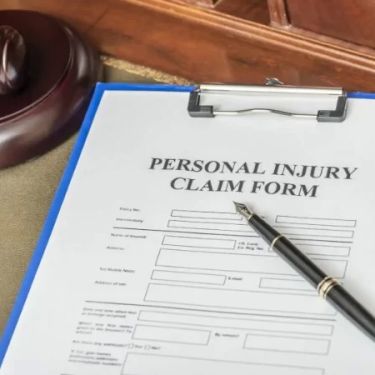
Learn how long insurance companies take to process injury claims. Understand the key factors that affect the processing time of personal injury claims and how you can speed up the process.Understanding Injury Claims Processing TimeWhen you're involved in an accident and file a personal injury claim, one of the most pressing questions is: How long will it take for the insurance company to process my injury claim? The answer can vary significantly depending on several factors, including the nature of the injury, the complexity of the case, and the efficiency of the insurance company. In this article, I’ll walk you through the factors that affect the processing time of injury claims, the typical timelines, and what you can do to speed up the process.Factors That Affect the Time it Takes to Process Injury ClaimsThe first thing you need to understand is that every injury claim is unique. Different circumstances will affect how long it takes for the insurance company to process your claim. Here are the key factors that determine the timeline:1. Complexity of the CaseInjury claims can be straightforward or complicated, depending on the circumstances. If your injuries are clear, straightforward, and there is little dispute over who is at fault, the process may move quickly. However, if the accident involves multiple parties, or if there is a disagreement over liability, the insurance company will need more time to investigate the details and assess the claim properly. In such cases, the claim may take longer to process.2. Type and Severity of the InjuryThe severity of the injury also plays a significant role in the processing time. Minor injuries such as soft tissue damage might be resolved quickly, while more severe injuries like broken bones or traumatic brain injuries could take longer to process. The insurance company will likely wait until you've reached maximum medical improvement (MMI), which means they want to see the full extent of your recovery before making a final settlement offer. The more complex and severe the injury, the longer the process tends to take.3. Insurance Company’s EfficiencyNot all insurance companies are created equal. Some are known for being more efficient at processing claims, while others may take longer. Factors such as the company’s internal processes, the volume of claims they are handling, and the quality of their customer service can all influence how quickly your claim is processed. It’s important to know that some insurance companies may try to delay the process in order to minimize their payout, so staying proactive in communication can help expedite things.How Long Does It Typically Take to Process Injury Claims?On average, insurance companies take about 30 to 45 days to process personal injury claims. However, this is just a general guideline. Some claims may be processed much faster, while others could take several months. If the claim is simple and liability is clear, a settlement may be reached in a matter of weeks. But for more complicated cases, especially those involving long-term injuries or disputed liability, the process could extend to several months or even over a year.1. Minor InjuriesFor minor injuries, such as sprains or strains, the process can typically take 30 to 60 days. Since these injuries are relatively straightforward to evaluate, there is usually no need for prolonged investigation or complex medical assessments. As long as the liability is clear and there is no dispute, the claim can be processed quickly.2. Major InjuriesMore severe injuries, like broken bones, head trauma, or spinal injuries, can take 3 to 6 months to process. In these cases, insurance companies may wait until the injured person reaches maximum medical improvement before finalizing the settlement. The length of treatment and the potential for future medical expenses can also delay the settlement process.3. Disputed Liability or Complicated CasesIf there is any dispute over who was at fault for the accident, the claim can take much longer to process. If liability is contested, the insurance company will need to conduct a thorough investigation, which can take months. In some cases, the dispute may require legal action, which can further delay the claim process. It’s important to have a personal injury lawyer on your side if you’re facing a complicated case like this.What You Can Do to Speed Up the Injury Claims ProcessWhile you can’t control how quickly the insurance company processes your claim, there are steps you can take to speed up the process:1. Provide Complete and Accurate InformationOne of the most common reasons for delays in injury claims is incomplete or inaccurate information. Ensure that you provide all the necessary documentation, including medical records, accident reports, and any other relevant evidence. The more organized and thorough your submission, the faster the insurance company can process your claim.2. Stay in Regular Contact with the Insurance CompanyDon’t wait for the insurance company to reach out to you. Stay proactive by following up regularly. Keeping in touch shows that you’re serious about getting your claim processed and can help push things along. If you’re working with a lawyer, they can assist with communication and ensure that your claim stays on track.3. Work with a Personal Injury LawyerIf your injury claim is complicated or if you’re dealing with significant injuries, it’s a good idea to hire a personal injury lawyer. A lawyer can help navigate the legal complexities of your case, deal with the insurance company on your behalf, and ensure that your rights are protected. Having legal representation can also help avoid unnecessary delays caused by disputes or complications.ConclusionInjury claims processing times can vary depending on the complexity of the case, the severity of the injury, and the efficiency of the insurance company. On average, the process can take anywhere from 30 to 45 days, but it can take much longer for more complex cases. To ensure that your claim is processed as quickly as possible, be proactive in providing all necessary information, staying in touch with the insurance company, and considering legal assistance if needed. If you're looking for more guidance or need help with your personal injury claim, visit Fred Miller Lawyer for expert legal advice and services.

Learn when you can file a lawsuit outside of workers' compensation for workplace injuries. Understand your legal options and how to navigate complex injury claims with expert advice.Workplace Injury Claims: When You Can Sue Outside Workers' CompWorkplace injuries are unfortunately common, but navigating the legal process after an injury can be overwhelming. Workers' compensation provides financial support for injured employees, but it’s not always the only option. In certain circumstances, you may be able to sue outside the workers’ compensation system. This article will explore when and how you can pursue a lawsuit outside of workers' comp and how to determine the best course of action for your situation.1. What is Workers’ Compensation?Workers' compensation is a state-mandated insurance system that provides financial and medical benefits to employees who are injured on the job. Typically, workers' comp covers things like medical expenses, lost wages, and rehabilitation costs. In exchange, employees give up the right to sue their employer for most workplace injuries. This system was designed to protect both workers and employers, offering a quick resolution for claims without the need for lengthy court battles.However, there are situations where workers' compensation may not be enough or where employees may have grounds to file a lawsuit outside of the system. Understanding these exceptions is crucial to ensuring that you receive the compensation you deserve.2. When Can You Sue Outside Workers' Comp?While workers' compensation provides a no-fault system for workers, it does have its limitations. There are specific situations where you may be able to sue your employer or a third party for your injury. Below are some key scenarios where an employee may pursue a lawsuit outside of workers' comp:2.1 Employer NegligenceIn some cases, if your employer's actions were grossly negligent or intentional, you may be able to sue outside the workers' compensation system. Workers' compensation generally covers accidents that happen at work, but if your injury was caused by your employer's recklessness or intentional misconduct, you may have a case for a personal injury lawsuit. For example, if your employer knowingly exposed you to unsafe working conditions or failed to provide necessary safety equipment, this may provide grounds for a lawsuit.2.2 Third-Party LiabilityIf a third party (someone who is not your employer or coworker) caused your injury, you may be able to file a lawsuit against them. This could include manufacturers of faulty equipment, contractors, or even other companies that contribute to a dangerous work environment. For example, if a defective machine at your workplace causes an injury, you may be able to sue the manufacturer of that machine in addition to receiving workers' comp benefits.2.3 Intentional TortsIf your injury was caused by the intentional act of another person, either inside or outside your workplace, you may have grounds to sue for damages outside the workers' comp system. For instance, if a coworker physically assaults you on the job or if you suffer emotional distress due to workplace harassment, you may have a separate legal claim for the harm caused.3. How to Pursue a Lawsuit Outside Workers' CompensationIf you believe you have grounds to sue outside the workers' compensation system, it’s important to understand the process and how to build your case. Here are some steps to take:3.1 Consult with an Experienced Personal Injury AttorneyThe first step in pursuing a lawsuit outside workers' comp is to consult with an experienced attorney. Personal injury lawyers specialize in cases where individuals have been harmed due to negligence, product defects, or other third-party actions. They can assess the specifics of your case, explain your legal options, and help you navigate the complexities of the legal system.3.2 Investigate the Cause of the InjuryIn order to successfully file a lawsuit, it’s important to determine the cause of the injury and gather evidence. This includes medical records, witness testimonies, and any physical evidence that can prove that the injury was caused by negligence, a third party, or intentional wrongdoing. Your lawyer will help gather this information and build a strong case on your behalf.3.3 File a Claim Against the Responsible PartyOnce the cause and evidence are established, your attorney will help you file a claim against the responsible party. This could involve filing a lawsuit against your employer for negligence, against a manufacturer for a defective product, or against another third party that caused harm. Your lawyer will handle the legal paperwork and represent you in court if necessary.4. What to Expect in a Lawsuit Outside Workers' CompensationPursuing a lawsuit outside workers' compensation is typically a more time-consuming and complex process than filing a workers' comp claim. Here are a few things to consider:4.1 Potential for Larger SettlementsOne advantage of suing outside workers' comp is that you may be eligible for larger settlements. While workers' compensation provides benefits for medical expenses and lost wages, a personal injury lawsuit can also cover pain and suffering, emotional distress, and punitive damages in cases of gross negligence or intentional harm.4.2 Longer TimelineUnlike workers' compensation claims, which are often resolved quickly, lawsuits can take months or even years to reach a settlement or trial. You may need to attend hearings, depositions, and other legal proceedings as your case progresses.4.3 Higher Legal CostsWhile personal injury attorneys typically work on a contingency fee basis (meaning they only get paid if you win), there are still other legal costs to consider, such as filing fees and expert witness fees. It’s important to understand these costs upfront so you can make an informed decision about pursuing a lawsuit.5. Conclusion: Is Suing Outside Workers’ Comp Right for You?Determining whether to sue outside workers’ compensation depends on the specifics of your case. If you’ve suffered from employer negligence, third-party liability, or intentional harm, you may have a legitimate claim for a personal injury lawsuit. Working with an experienced attorney is essential to understanding your rights and ensuring that you receive the compensation you deserve.If you're unsure about your options, consider reaching out to a legal expert like Fred Miller Lawyer, who specializes in workplace injury claims. They can help you navigate the complexities of both workers' comp and personal injury lawsuits, ensuring the best outcome for your case.

Learn what to do if your immigration case is delayed by USCIS. Discover the best steps to take, how to check your case status, and when to seek legal help. 1. Understanding USCIS Delays 2. Common Reasons for USCIS Delays 3. Steps to Take When Your Case Is Delayed 4. How to Check the Status of Your Case 5. When to Contact an Immigration Lawyer1. Understanding USCIS DelaysWhen you apply for a visa, green card, or other immigration benefits, it’s common to feel anxious while waiting for approval. Unfortunately, delays in processing your case by the U.S. Citizenship and Immigration Services (USCIS) can happen for a variety of reasons. These delays can leave applicants uncertain about their next steps. Understanding why these delays happen and what actions you can take can help you navigate this stressful situation.2. Common Reasons for USCIS Delays2.1 Increased Workload and BacklogsOne of the most common reasons for delays is the increased workload and backlogs within USCIS. The agency processes thousands of immigration cases daily, and sometimes it can take longer than expected due to the volume of applications. These delays are often out of your control, but understanding this reason can help you manage expectations.2.2 Incomplete or Incorrect InformationAnother reason your immigration case might be delayed is the submission of incomplete or incorrect information. If there are missing documents or errors in your application, USCIS may request additional information, causing delays. It’s important to double-check your forms before submission to ensure that everything is correct and complete.2.3 Security and Background ChecksBackground checks are a critical part of the immigration process, and these can sometimes cause delays. USCIS requires these checks to ensure national security, and while these checks are essential, they can take a significant amount of time to complete. Be patient if your case is held up due to this reason, as there’s little you can do to speed it up.3. Steps to Take When Your Case Is Delayed3.1 Monitor Your Case Status RegularlyThe first step when dealing with a delay is to monitor your case status regularly. USCIS provides an online case status tool where you can check the progress of your application. It’s essential to stay informed so you can react promptly if there are any updates or requests for additional information.3.2 Contact USCIS for UpdatesIf you notice that your case has been delayed beyond the typical processing time, don’t hesitate to contact USCIS for updates. You can reach out via their customer service line or submit an online inquiry. USCIS may be able to provide an update or explanation for the delay, which can help you plan your next steps.3.3 File a Case InquiryIf your case has been delayed for an extended period without any updates, you can file a formal case inquiry with USCIS. This inquiry can be made online or through a service request. Filing a case inquiry will prompt USCIS to look into your case and provide an official response, potentially speeding up the process.4. How to Check the Status of Your Case4.1 Use the USCIS Online Case Status ToolThe easiest way to check the status of your immigration case is by using the USCIS online case status tool. All you need is your receipt number, which is provided when USCIS receives your application. This tool will give you the most up-to-date information on the status of your case, including whether additional documentation is needed.4.2 Sign Up for Case Status UpdatesIf you want to be notified about any updates regarding your case, you can sign up for case status updates through your USCIS online account. This will ensure that you’re alerted immediately when there’s a change in the status of your case.5. When to Contact an Immigration Lawyer5.1 Consult a Lawyer If Your Case Has Been Delayed for Over 6 MonthsIf your case has been delayed for over six months with no clear explanation or resolution, it might be time to consult an immigration lawyer. An experienced attorney can help you understand your options, whether that means filing a formal complaint or taking legal action to expedite your case.5.2 Get Legal Help if You’re Facing Complicated IssuesIf your case has complications—such as missing documents, errors in your application, or a need for specialized legal advice—it’s crucial to seek professional help. An immigration lawyer can help ensure that everything is in order, potentially avoiding further delays.5.3 Lawyer’s Assistance with Case InquiriesIf you’ve already contacted USCIS and received little help or no response, an immigration lawyer can assist with filing inquiries on your behalf. They have the expertise to navigate the system and may be able to get the answers you need more quickly than you can on your own.

Learn about the critical role of guardianship in protecting minor children, including legal aspects and the benefits of having a legal guardian. Discover how guardianship ensures the well-being of children in need of protection. 1 - What is Guardianship? 2 - Types of Guardianship for Minor Children 3 - Why Guardianship is Important for Protecting Minor Children 4 - How to Appoint a Legal Guardian for a Minor 5 - When is Guardianship Necessary? 6 - The Role of a Guardian in a Child’s Life 7 - Seeking Legal Advice for Guardianship Matters 1 - What is Guardianship? Guardianship is a legal arrangement in which a person or entity is appointed by a court to take responsibility for a minor child’s care, welfare, and financial decisions. A guardian may be chosen when the child’s parents are unable to fulfill these roles due to death, incapacity, or other circumstances. Guardianship is different from adoption, as it does not terminate the parental rights of the biological parents, but it grants the guardian the legal authority to make decisions on behalf of the child. 2 - Types of Guardianship for Minor Children There are several types of guardianship that can be assigned to protect minor children. Each type serves different purposes depending on the child's needs and the family's situation. 1. Temporary Guardianship Temporary guardianship is often used when the parents are temporarily unavailable or incapacitated. This type of guardianship is usually short-term and allows the guardian to make decisions for the child until the parents can resume their responsibilities. 2. Permanent Guardianship Permanent guardianship is granted when the child’s biological parents are no longer able to care for them, and there is no immediate plan for reunification. This type of guardianship can last until the child reaches adulthood or becomes emancipated. 3. Standby Guardianship Standby guardianship allows parents to designate a person to become the child’s guardian if something happens to the parents, such as death or severe illness. It’s often used for parents who are terminally ill and want to ensure their child is cared for after their passing. 3 - Why Guardianship is Important for Protecting Minor Children Guardianship is essential for ensuring the safety, well-being, and stability of minor children when their biological parents are unable to provide proper care. The role of a guardian includes making important decisions regarding the child’s education, healthcare, and day-to-day life. 1. Legal Protection for Children Guardianship provides a child with legal protection when they are at risk due to an unsafe living situation or neglect. It ensures that a responsible adult or institution can provide for the child’s needs. 2. Emotional and Physical Stability A guardian offers emotional and physical stability for a child in uncertain situations. When parents are unable to care for their child, a guardian steps in to provide a safe and nurturing environment. 3. Financial Protection Guardians also have the responsibility of managing the child’s finances, ensuring their financial needs are met, and protecting any inheritance the child may receive. This role is crucial in ensuring that the child's future is secure, both legally and financially. 4 - How to Appoint a Legal Guardian for a Minor Appointing a legal guardian for a minor typically involves the following steps: 1. Legal Petition The first step is filing a petition for guardianship with the court. This involves submitting relevant documents and information, including why guardianship is necessary and who the proposed guardian is. 2. Court Approval The court will review the petition and ensure that the proposed guardian is suitable to care for the child. This includes checking the guardian’s background and ability to meet the child’s needs. 3. Legal Hearing After reviewing the petition, the court will schedule a hearing. At this hearing, the parents (if possible) and the proposed guardian may be required to testify about their ability to care for the child. 5 - When is Guardianship Necessary? Guardianship may be necessary in various situations, including: 1. Parental Inability to Care If parents are unable to care for their child due to illness, injury, or other incapacitating circumstances, guardianship may be the best option to ensure the child's safety and care. 2. Death of a Parent If one or both parents die, guardianship ensures that a trusted adult steps in to care for the child and make legal decisions on their behalf. 3. Child Abuse or Neglect In cases where a child is subjected to abuse or neglect, the court may appoint a guardian to remove the child from the harmful situation and place them in a safer environment. 6 - The Role of a Guardian in a Child’s Life A guardian plays a critical role in a child's life. They take on both the legal and emotional responsibility for the child’s well-being. Some key responsibilities include: 1. Decision-Making The guardian has the legal authority to make decisions on behalf of the child, such as medical, educational, and financial choices. This ensures that the child receives the appropriate care and services they need to thrive. 2. Long-Term Care Guardianship often involves long-term care, providing a stable home and environment for the child. The guardian is expected to provide nurturing, safety, and love, similar to a parent’s role. 7 - Seeking Legal Advice for Guardianship Matters Guardianship law can be complex, and it’s important to seek legal advice when considering appointing a guardian for a minor. A family lawyer can help guide you through the process, ensure that all legal requirements are met, and offer advice on the best course of action for the child's well-being. If you are considering guardianship or have questions about the legal process, Fred Miller Lawyer is here to help. Our team specializes in family law and guardianship matters, and we can provide expert guidance tailored to your situation.

Learn about the essential role of real estate lawyers in closing transactions. Discover how they protect your interests and ensure everything goes smoothly during property closings.

Learn what to do if an executor refuses to distribute assets. Understand the steps you can take, from communication to legal action, to resolve estate disputes.

Learn how to resolve land use and zoning disputes with practical tips and strategies. Discover the role of zoning lawyers and the steps to take when dealing with zoning violations.
 latham watkins offices
 randy zelin attorney
 bradley collins lawyer
 jefferson county district attorney
 sheff law offices
 landlord lawyer chicago