
- Understanding Catastrophic Injuries
- How to File a Claim for Catastrophic Injuries
- Key Factors to Consider When Filing a Claim
- Real-Life Examples of Catastrophic Injury Claims
- How a Lawyer Can Help You Navigate the Claims Process
Understanding Catastrophic Injuries
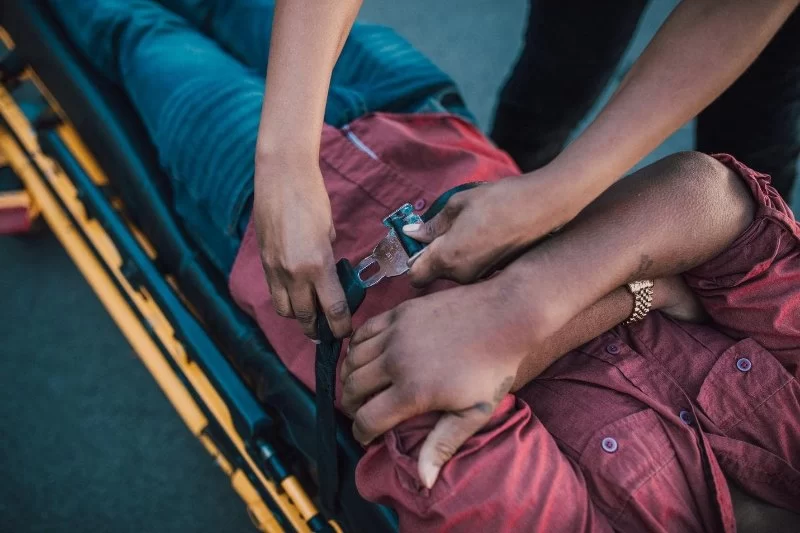
When a serious accident occurs, the physical, emotional, and financial toll can be overwhelming. I’ve learned firsthand that catastrophic injuries are some of the most severe and life-altering types of injuries a person can sustain. Catastrophic injuries often involve permanent disabilities, such as spinal cord injuries, traumatic brain injuries, severe burns, or amputations, that require extensive medical treatment, rehabilitation, and lifelong care.
These injuries can leave victims unable to return to work, causing significant financial strain on top of the physical and emotional challenges they face. As I’ve learned through my own experience, filing a claim for catastrophic injuries can help victims secure the compensation they need to cover medical expenses, lost wages, and other long-term costs associated with recovery.
How to File a Claim for Catastrophic Injuries
Filing a claim for catastrophic injuries is a crucial step in seeking justice and compensation for the life-altering effects of a serious accident. The process can be complex and overwhelming, especially when dealing with severe injuries, but I’ve broken it down into clear steps to guide you through the process.
1. Seek Immediate Medical Attention
The first and most important step after sustaining a catastrophic injury is to seek immediate medical care. In my experience, the documentation of your injury by a medical professional will be essential when filing a claim. Having detailed medical records helps establish the severity of the injury and the necessary treatment required, which forms the foundation of your claim.
It’s also crucial to follow all medical recommendations and keep track of any ongoing treatment, as this will provide necessary evidence of the injury’s impact on your life.
2. Gather Evidence of the Accident
Once I was receiving medical care, I began to gather as much evidence as possible about the accident itself. This included photographs of the accident scene, witness statements, and police reports. The more evidence I had to show how the accident occurred and the party responsible, the stronger my claim became.
If possible, it’s also beneficial to keep a record of any relevant documentation, such as medical bills, prescription records, and any work or income loss due to the injury.
3. Consult with a Personal Injury Lawyer
One of the best decisions I made during this process was consulting with a personal injury lawyer who specializes in catastrophic injuries. I found that legal expertise was invaluable in helping me navigate the complicated claims process, and it allowed me to focus on my recovery without worrying about the legal details. A lawyer can help you understand your rights, gather further evidence, and communicate with insurance companies on your behalf.
4. File a Claim with the Insurance Company
Once I had the proper evidence and legal guidance, the next step was filing a claim with the at-fault party’s insurance company. This often involves completing claim forms and submitting the necessary documentation to prove the extent of the injury and its impact on my life.
It’s important to remember that insurance companies may try to offer a quick settlement that may not fully cover all expenses related to the injury. I worked with my lawyer to ensure that the settlement offered was adequate to cover medical bills, rehabilitation costs, lost wages, pain, and suffering.
5. Negotiation and Settlement
After submitting the claim, the next step is negotiation. This is where a lawyer's experience really comes in handy. I found that negotiating a fair settlement required understanding the full extent of the injuries and their long-term effects on my life. In many cases, insurance companies will offer a settlement that may seem reasonable but may not reflect the true costs involved. My lawyer worked hard to ensure that the settlement covered all aspects of my medical care, lost income, and any future treatment or care that might be needed.
Key Factors to Consider When Filing a Claim
There are several critical factors to consider when filing a claim for catastrophic injuries, based on my own experience and research:
1. The Severity of the Injury
The severity of the injury plays a key role in determining the amount of compensation. Catastrophic injuries are considered more severe than typical personal injuries, and this is reflected in the amount of compensation you might receive. This includes covering immediate medical expenses, long-term care, and any future treatment or rehabilitation needed.
2. Lost Wages and Future Earning Capacity
For many victims of catastrophic injuries, returning to work is not an option. As I learned, the loss of income can be one of the most significant financial burdens. Filing a claim allows for compensation for both the wages lost during recovery and any loss of future earning capacity if the injury prevents returning to work in the same capacity as before.
3. Pain and Suffering
In addition to financial costs, filing a claim for catastrophic injuries also takes into account non-economic damages such as pain and suffering. This is an important part of any claim and can compensate for the emotional and physical toll the injury has taken on your life. It can also address the mental health challenges that often accompany severe injuries, such as anxiety, depression, or post-traumatic stress disorder (PTSD).
Real-Life Examples of Catastrophic Injury Claims
Through my research and conversations with other people who have gone through the process, I’ve come across several real-life cases where filing a claim for catastrophic injuries led to successful outcomes:
1. Car Accident Victim with Spinal Cord Injury
A friend of mine was involved in a car accident that left her with a spinal cord injury. After seeking legal advice, she filed a claim with the at-fault driver’s insurance company. Thanks to the evidence collected, including medical records and witness testimonies, her lawyer was able to secure a fair settlement that covered her medical bills, rehabilitation costs, and the loss of her ability to work. This financial support has allowed her to focus on her recovery without the added stress of financial strain.
2. Worker Injury Resulting in Amputation
In another case, a construction worker I met lost a limb due to a workplace accident. After filing a claim for catastrophic injury, the settlement provided compensation for both his immediate medical treatment and the long-term expenses associated with prosthetics, rehabilitation, and living adjustments. This claim made a significant difference in his ability to live a comfortable life despite the challenges of his injury.
How a Lawyer Can Help You Navigate the Claims Process
One of the most valuable lessons I learned is the importance of having an experienced lawyer by your side when filing a claim for catastrophic injuries. A skilled lawyer can:
- Advise you on your rights: Understanding the law and your rights is crucial when pursuing a claim. A lawyer can ensure you are aware of the compensation you are entitled to.
- Gather evidence: A lawyer can help collect the necessary documentation, such as medical records, witness statements, and accident reports, to support your claim.
- Negotiate with insurance companies: Insurance companies often try to offer settlements that are lower than what you deserve. A lawyer can negotiate on your behalf to secure a fair settlement.
- Represent you in court: If a settlement cannot be reached, a lawyer can take your case to court and advocate for your best interests.
For anyone dealing with catastrophic injuries, I strongly recommend seeking legal help from a professional. For reliable legal advice and representation, I suggest visiting Fred Miller Lawyer for further assistance in navigating the claims process.
 laub and laub law firm
 paul bates attorney
 james a abate
 brett lando attorney
 500 north brand boulevard glendale ca
 harker injury law