
- Understanding-Family-Based-Green-Card-Applications
- Core-Documents-Required-for-Family-Green-Card
- Proof-of-Family-Relationship-Documents
- Financial-Support-and-Sponsorship-Requirements
- Real-Life-Green-Card-Application-Story
- Preparing-Documents-for-a-Smooth-Application
1. Understanding Family Based Green Card Applications
Family-based immigration is one of the most common ways individuals obtain permanent residency in the United States. When a U.S. citizen or lawful permanent resident petitions for a close relative, the process typically involves submitting several official forms and supporting documents. Many applicants begin their research by asking an important question: What Documents Do You Need for a Family-Based Green Card?
The answer depends on the relationship between the petitioner and the beneficiary, as well as whether the applicant is applying from inside or outside the United States. However, most family-based applications share a common set of documentation requirements.
Understanding these documents early in the process can help applicants avoid delays, reduce stress, and ensure that their case moves through the immigration system smoothly.
2. Core Documents Required for Family Green Card
Every family-based green card application includes several foundational documents that establish identity, eligibility, and the legal relationship between the parties.
2.1 Identity Verification Documents
Government-issued identification helps immigration authorities verify the identity of the applicant and sponsor.
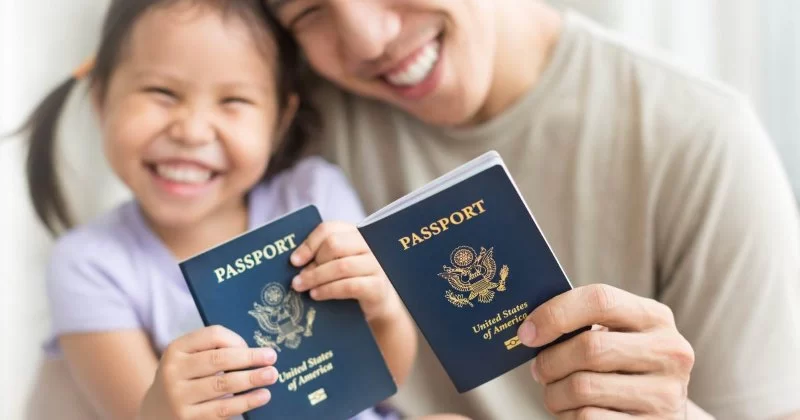
1. Passport copies
A valid passport is typically required for both the petitioner and the beneficiary.
2. Birth certificates
Birth certificates confirm identity and often help demonstrate family relationships.
3. Government identification
Documents such as national ID cards may also be submitted when available.
2.2 Immigration Forms
Official forms submitted to U.S. immigration authorities play a central role in the process.
1. Petition for Alien Relative
This form establishes the relationship between the sponsor and the immigrant family member.
2. Application for Permanent Residence
This form is typically used when applying for adjustment of status within the United States.
Careful preparation of these documents helps ensure that immigration officers clearly understand the applicant’s eligibility.
3. Proof of Family Relationship Documents
One of the most important parts of answering What Documents Do You Need for a Family-Based Green Card? involves demonstrating the authenticity of the family relationship.
3.1 Marriage Based Applications
When a U.S. citizen or permanent resident petitions for a spouse, additional documentation helps confirm the legitimacy of the marriage.
1. Marriage certificates
Official marriage records serve as primary evidence.
2. Shared financial records
Joint bank accounts, leases, or insurance policies can demonstrate a shared life.
3. Photos and communication records
Pictures, travel records, and messages may help show the genuine nature of the relationship.
3.2 Parent and Child Applications
For petitions involving parents or children, birth records and adoption documentation often provide the primary proof.
1. Birth certificates showing parent names
These documents confirm biological relationships.
2. Adoption or custody records
When applicable, official adoption paperwork establishes legal parental relationships.
Accurate documentation helps prevent delays and reduces the likelihood of requests for additional evidence.
4. Financial Support and Sponsorship Requirements
Another essential element of family-based immigration involves demonstrating that the immigrant will have financial support after entering the United States.
4.1 Affidavit of Support
The sponsoring family member must often submit an affidavit confirming their ability to financially support the applicant.
1. Income verification
Recent tax returns and employment records help demonstrate financial stability.
2. Proof of assets
Bank statements or property ownership may strengthen the sponsor’s financial profile.
4.2 Supporting Financial Documents
Additional documentation may include pay stubs, employment letters, and financial statements.
Applicants seeking guidance on financial sponsorship requirements often consult experienced legal professionals. Resources like Fred Miller Lawyer can provide valuable insight into preparing immigration documentation correctly.
5. Real Life Green Card Application Story
One immigration case frequently discussed in community forums involved a married couple navigating the green card process. The U.S. citizen spouse initially believed that submitting a marriage certificate alone would be sufficient.
However, immigration officials requested additional evidence showing that the relationship was genuine and ongoing. The couple later submitted photographs, joint financial records, and travel documentation.
After providing this evidence, their case moved forward successfully.
This example highlights why understanding What Documents Do You Need for a Family-Based Green Card? early in the process is so important. Missing documents can slow down applications and create unnecessary complications.
6. Preparing Documents for a Smooth Application
Applicants who organize their documentation carefully often experience fewer delays during the immigration process.
6.1 Maintain Clear Records
Keeping copies of identification documents, financial records, and communication history can simplify the preparation process.
1. Organized document folders
Separating documents by category makes it easier to complete forms and respond to requests.
2. Updated records
Ensuring that documents are current and valid helps avoid complications.
6.2 Seek Professional Guidance
Immigration law can involve complex regulations and evolving policies. Legal professionals can review documentation to ensure accuracy and compliance.
Many applicants consult experienced professionals through services such as Fred Miller Lawyer to better understand immigration requirements and prepare complete application packages.
With careful preparation and accurate documentation, family-based green card applications can proceed more efficiently, bringing families one step closer to building their lives together in the United States.
 morgan and morgan nashville tn
 durham jones and pinegar
 kaplunmarx
 law office of cohen & jaffe llp
 scott leemon lawyer
 5970 fairview rd