
How to Sue for Negligent Home Inspections
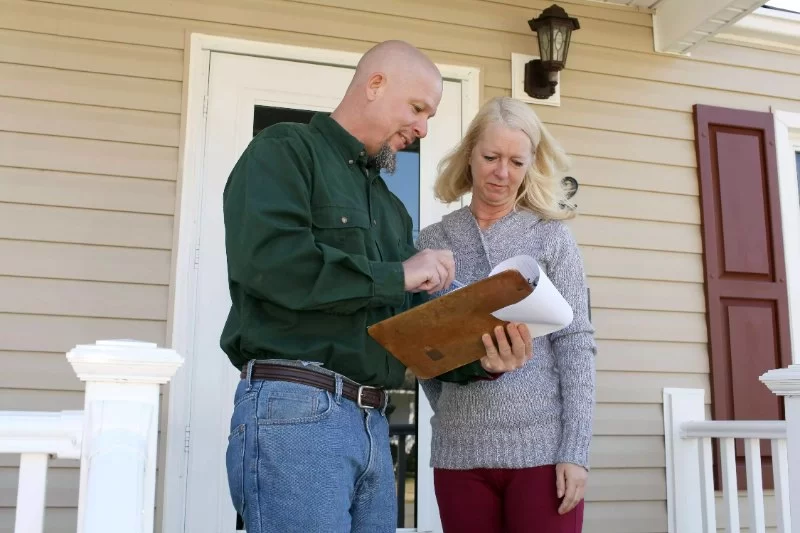
When you purchase a home, you expect everything to be in working order, or at least to be informed of any existing issues. However, if your home inspector fails to properly evaluate the property, leaving you with costly repairs, you might have a case for suing the inspector. But how do you go about holding them accountable for their negligence? Let’s explore the process of suing for negligent home inspections, including what to do when an inspector misses critical issues and the steps you need to take to ensure you have a strong case.
1. What is a Negligent Home Inspection?
A negligent home inspection occurs when a licensed home inspector fails to identify significant issues with a property that would have been obvious during a proper inspection. This might include missing structural defects, water damage, faulty electrical systems, or pest infestations that could have easily been spotted. If you end up buying the home and later discover these issues, and if the inspector failed to report them when they should have, you may have grounds to sue for negligence.
2. What Does a Home Inspector’s Duty Include?
Home inspectors are professionals hired to conduct a thorough evaluation of a property’s condition. They are expected to inspect key systems and structures, including plumbing, electrical, roofing, HVAC, and foundations. Home inspectors should also check for signs of water damage, mold, pests, and other issues that could affect the home’s value or safety. Their findings are meant to inform potential buyers of the property’s condition, helping them make an informed decision.
While home inspectors are not required to provide a full warranty or guarantee that the home is free of defects, they are expected to identify major issues that could impact the property’s livability and safety. Failing to do so, or providing inaccurate information in their report, may constitute negligence.
3. Steps to Take if You Suspect Negligence
If you suspect that your home inspector missed critical issues or provided inaccurate information, here are the steps you can take:
- Review the Inspection Report: The first step is to thoroughly review the inspection report you received from the inspector. Check for any areas where issues may have been overlooked or misreported. Did the inspector miss significant damage that would have been apparent to a trained professional?
- Consult an Expert: If you're unsure whether the inspector made an error, consult with a different expert, such as a contractor or specialist in the specific area of concern. They can assess the situation and give you an expert opinion on whether the inspector's failure to identify the problem was reasonable.
- Gather Evidence: To strengthen your case, gather evidence of the issues missed by the inspector. Take photos, videos, and written descriptions of the damage or defects, and keep records of any repairs that were needed.
- Contact the Inspector: Reach out to the inspector and discuss the issue. It's possible that they may offer a settlement or admit their mistake. Keep a record of all communications in case you need them later for legal purposes.
4. When to File a Lawsuit
If the inspector is unwilling to settle the matter or you are unable to reach a resolution, it may be time to file a lawsuit. There are a few things to consider before going to court:
- Statute of Limitations: Each state has a statute of limitations that governs how long you have to file a lawsuit after the negligent act occurs. For most home inspection cases, you may have anywhere from one to four years to file a claim. Check with an attorney to ensure you file within the appropriate time frame.
- Proving Negligence: To win a lawsuit, you must demonstrate that the inspector was negligent. This requires showing that the inspector failed to meet the standard of care expected from a professional and that their failure directly caused you financial harm.
- Financial Damages: You will need to show that the negligence caused you financial damages, such as repair costs or loss of property value. This can be difficult to prove, so it’s essential to have solid documentation and expert testimony to support your case.
5. How to Prove Your Case
To prove that a home inspector was negligent, you must establish four key elements:
- Duty of Care: You must prove that the inspector owed you a duty to perform a thorough inspection and report any issues with the property.
- Breach of Duty: You must show that the inspector failed to fulfill their duty by missing significant problems or providing inaccurate information.
- Causation: You must demonstrate that the inspector’s negligence directly led to the problems you encountered with the property. This can include proving that the missed issue was something that would have been easily identified by a reasonable inspector.
- Damages: Finally, you must show that you suffered financial loss due to the inspector's negligence, such as repair costs or a decrease in property value.
6. Finding a Lawyer to Help
If you are considering suing for negligent home inspections, it’s crucial to find an experienced lawyer who specializes in real estate or professional negligence cases. A lawyer can help you assess whether you have a strong case, guide you through the legal process, and represent you in court if necessary.
For those who are facing home inspection issues, reaching out to a lawyer from Fred Miller Lawyer might be a good first step in understanding your legal options and protecting your rights.
7. Conclusion
Suing for negligent home inspections is a serious matter that requires careful attention to detail. By understanding the process, gathering evidence, and consulting with professionals, you can take the necessary steps to protect yourself and seek compensation for damages caused by a negligent inspector. Always remember to check the inspector’s qualifications, read the inspection report carefully, and take swift action if you believe something has been overlooked or misrepresented.
 affar baksh
 the latham dc
 hillhurst tax group
 brian tatarian
 southpark family law charlotte
 675 walnut street