
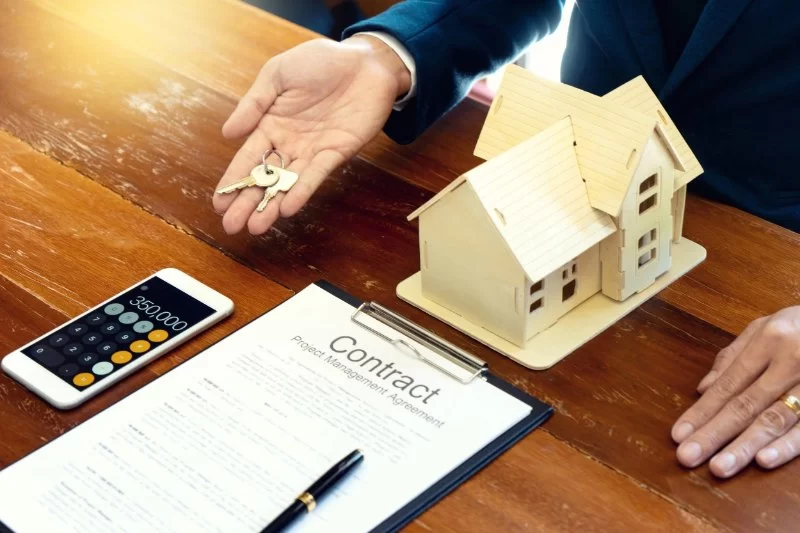
How to Handle a Breach of Real Estate Contract: A Complete Guide
As someone who has navigated the world of real estate, I can tell you that contracts are at the heart of any real estate transaction. But what happens when one party breaches the contract? A breach of real estate contract can be a stressful situation, especially if it impacts your investment or disrupts your plans. In this article, I’ll walk you through how to handle a breach of a real estate contract, including what to do, the potential consequences, and the legal options available. Whether you’re a buyer or a seller, understanding how to protect yourself in case of a breach is essential for securing a fair resolution.
What Constitutes a Breach of Real Estate Contract?
A breach of contract occurs when one party fails to perform their obligations under the terms of the agreement. In the context of real estate, this could include a variety of actions, such as:
- Failure to pay on time: If a buyer fails to provide the agreed-upon funds or the seller doesn't deliver the property as promised, this is considered a breach.
- Not meeting contractual deadlines: Contracts typically include deadlines for inspections, appraisals, and closing. Missing these deadlines without mutual agreement can result in a breach.
- Failure to disclose issues: If a seller hides significant issues with the property or fails to disclose known defects, it can lead to a breach of the contract.
In my experience, a breach of contract usually happens when one party does not fully understand the terms of the agreement or there’s a lack of communication. It’s essential to know how to handle these situations before they escalate.
Steps to Handle a Breach of Real Estate Contract
Dealing with a breach can be complicated, but taking the right steps can help you resolve the issue efficiently. Based on my personal experience and legal advice, here’s what to do when faced with a breach of real estate contract:
1. Review the Contract Terms
The first thing you should do when you realize there’s been a breach is to review the contract carefully. The agreement should outline what constitutes a breach and the consequences. Pay special attention to clauses about defaults, remedies, and notice requirements—these details will guide your next steps. I’ve found that in many cases, the contract provides a clear path for both parties to address the breach.
2. Communicate with the Other Party
Before escalating the issue, I recommend contacting the other party to discuss the breach. In many cases, a simple conversation can resolve the issue, especially if there was a misunderstanding. It’s important to document all communication in case you need to take legal action later. I’ve had situations where reaching out and discussing the issue helped both parties come to a reasonable agreement without going to court.
3. Send a Formal Notice
If informal communication doesn’t resolve the issue, the next step is to send a formal breach notice. This is typically required under the contract. The notice should detail the specific breach and provide a deadline for the breaching party to fix the issue. I once had to send a formal notice when a seller failed to make necessary repairs before closing. It’s important to follow the procedures outlined in the contract to ensure that the issue is properly documented and addressed.
4. Seek Legal Advice
If the breach is serious or the other party is unresponsive, seeking legal advice is a wise next step. A lawyer who specializes in real estate law can help you understand your options and protect your rights. I reached out to a real estate attorney during a case where a buyer refused to follow through with the purchase, and they helped me understand my legal standing and options for pursuing damages.
5. Consider Mediation or Arbitration
Some contracts require mediation or arbitration in case of a dispute. Mediation allows both parties to work with a neutral third party to come to an agreement, while arbitration involves a decision by an arbitrator that is legally binding. In my experience, mediation can be a good way to resolve conflicts without the time and cost of going to court.
6. Take Legal Action if Necessary
If all else fails, legal action may be necessary. A breach of contract can result in financial damages, and depending on the circumstances, you may be entitled to compensation. In some cases, the court may allow you to cancel the contract and seek reimbursement for any damages incurred. I had to take legal action in one instance where a seller repeatedly delayed the closing, and the court allowed me to cancel the contract and recover some of my costs.
Common Legal Outcomes of a Breach
The legal outcomes of a breach of real estate contract can vary depending on the circumstances. Based on my experiences, here are the most common outcomes:
1. Liquidated Damages
Many contracts include a clause specifying liquidated damages, which outlines a pre-determined amount of money one party owes the other in case of a breach. This is especially common in real estate transactions. I encountered a situation where a buyer backed out, and the seller was entitled to liquidated damages as specified in the contract.
2. Rescission of the Contract
In some cases, a breach may lead to the rescission (cancellation) of the contract. If the breach is significant enough, the contract may be voided, and both parties are released from their obligations. This was the case in one of my transactions, where the seller failed to provide necessary documentation, and the contract was rescinded.
3. Compensatory Damages
If you’ve suffered financial loss due to the breach, you may be entitled to compensatory damages. This covers the amount necessary to compensate for the loss caused by the breach, such as costs associated with finding a new buyer or repairs that weren’t completed. I was awarded compensatory damages in a previous case where the seller didn’t meet their obligations, resulting in additional costs for me.
Real-Life Case Study: A Breach of Contract in Real Estate
Let me share a personal story from a real estate deal I was involved in. A seller had agreed to make certain repairs before closing, but as the closing date approached, the seller hadn’t made the required repairs. I followed the steps outlined above, starting with a conversation and then moving to formal communication. When that didn’t work, I consulted a real estate lawyer, who helped me send a formal notice. Eventually, the seller agreed to either make the repairs or provide compensation for the cost of the repairs, and we were able to close the deal.
In this case, clear communication and following the legal procedures helped me handle the breach without having to go to court. Every situation is different, but this experience reinforced how important it is to know your rights and understand the steps to take when a contract is breached.
How to Prevent a Breach of Real Estate Contract
Preventing a breach starts with having a clear and detailed contract. Be sure to include all necessary terms, deadlines, and contingencies. As someone who’s been through this process, I recommend working with a qualified real estate attorney to ensure that your contracts are airtight. Additionally, regular communication with the other party throughout the process can help catch issues early and avoid a breach.
When in doubt, always reach out to a professional, like Fred Miller Lawyer, to ensure that you're legally protected throughout the entire real estate process.
 1712 kings highway
 bibicheff lawyer
 miami legal usa
 brinton firm
 christopher j cifrodello
 neufville law