
DACA Renewals Explained: Eligibility and Application Steps
- 1. What is DACA?
- 2. Eligibility for DACA Renewals
- 3. How to Apply for DACA Renewal
- 4. Common Challenges in DACA Renewal
- 5. Real-Life Example: Successful DACA Renewal
1. What is DACA?
DACA (Deferred Action for Childhood Arrivals) is a U.S. immigration policy that was introduced in 2012 by President Obama. The program allows certain undocumented immigrants who arrived in the U.S. as children to receive a renewable two-year period of deferred action from deportation and eligibility for a work permit. Since its inception, DACA has provided thousands of young people the opportunity to work and study in the U.S. without fear of deportation. But as the program continues to evolve, it’s important to understand how the renewal process works and the eligibility criteria that must be met.
1.1 DACA’s Purpose and Impact
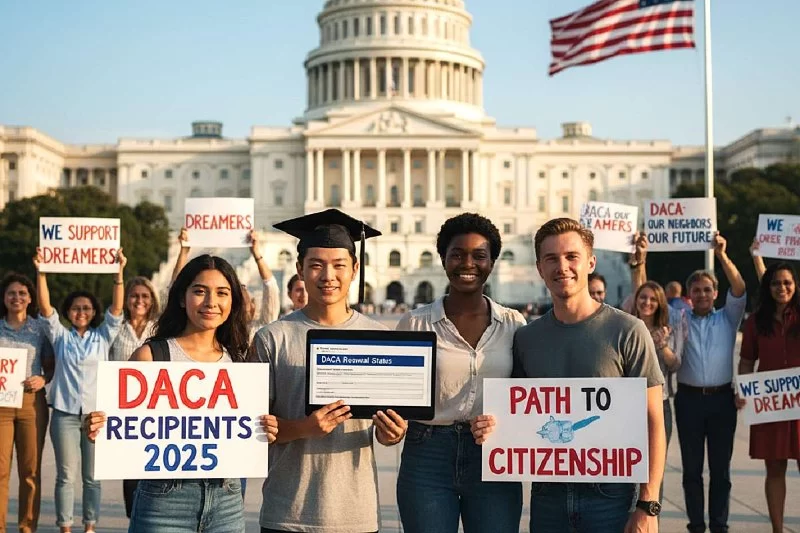
DACA was created to provide relief to individuals who were brought to the U.S. as children and have grown up as productive members of society. Without DACA, these individuals would be vulnerable to deportation, potentially separating them from their families and communities. Over the years, many DACA recipients, often referred to as "Dreamers," have contributed to their communities by pursuing higher education, entering the workforce, and becoming key parts of American society.
2. Eligibility for DACA Renewals
To maintain DACA status, individuals must apply for a renewal before their current status expires. Here are the eligibility requirements to renew your DACA status:
2.1 Meeting Initial DACA Requirements
For those looking to renew their DACA, the eligibility criteria are similar to when they first applied. To be eligible for renewal, you must meet the following initial requirements:
- You must have been under the age of 31 as of June 15, 2012.
- You must have arrived in the U.S. before your 16th birthday.
- You must have continuously lived in the U.S. since June 15, 2007.
- You must not have been convicted of a felony, significant misdemeanor, or three or more misdemeanors.
2.2 No Breaks in Continuous Residence
One key factor in DACA renewal eligibility is maintaining continuous residence in the U.S. If you’ve left the U.S. for an extended period, it may affect your renewal process. DACA recipients should be cautious about traveling abroad, especially without prior authorization, as it could disrupt their continuous presence in the U.S.
3. How to Apply for DACA Renewal
The process for applying for DACA renewal is similar to the original application process, but there are a few key differences. Here’s a step-by-step guide to applying for DACA renewal:
3.1 Gather Required Documents
Before submitting your renewal application, it’s important to gather the necessary documents. These include:
- Proof of identity (e.g., birth certificate, passport).
- Proof of continuous residence (e.g., school records, work records, or other documents showing your stay in the U.S.).
- Any previous correspondence with U.S. Citizenship and Immigration Services (USCIS) regarding your DACA status.
3.2 Complete Form I-821D
Form I-821D is the form required for DACA renewal. This form must be completed accurately and submitted to USCIS. It's essential to double-check all information before submitting the form to avoid delays or denials. In addition, you’ll need to complete Form I-765 (Application for Employment Authorization) and Form I-765WS (Worksheet). These forms are used to request a work permit and to provide information about your employment and education.
3.3 Submit Your Application
Once your forms are completed, send your application package to the correct USCIS address. Make sure you send all required documents, including the application fee. USCIS charges a fee for DACA renewal, but there may be fee waivers available for those who meet certain financial criteria.
4. Common Challenges in DACA Renewal
While DACA renewal is generally straightforward, there can be challenges that applicants may face. Here are some of the most common hurdles:
4.1 Delays in Processing
One common issue is delays in processing DACA renewal applications. Although the process typically takes a few months, many applicants experience delays, particularly during high-demand periods. It's crucial to apply well in advance of your expiration date to avoid any lapses in your DACA status.
4.2 Changes in Eligibility Criteria
Changes to the eligibility criteria for DACA could also affect renewal applicants. For example, if you were convicted of a misdemeanor or felony since your initial approval, you may not be eligible for renewal. Stay informed about any changes to the law and consult a legal professional if you have concerns about your eligibility.
5. Real-Life Example: Successful DACA Renewal
Maria, a 25-year-old DACA recipient, applied for renewal last year after her DACA status was set to expire. She faced challenges when she realized that some of her documents were outdated and no longer accurately reflected her current residence. After consulting a lawyer, she updated her records and submitted her application on time. Thankfully, her renewal was approved, and she was able to continue working in the U.S. without interruption. Maria’s experience shows how important it is to keep documents current and seek professional help when needed.
If you're navigating the DACA renewal process, it’s essential to understand the requirements and follow the application steps carefully. If you need assistance or have questions, Fred Miller Lawyer can help guide you through the process and ensure that your renewal application is complete and accurate.
 lee robertson attorney
 timian and fawcett
 molina flynn
 law offices of john ye
 quinn law group llc
 flickinger sutterfield & boulton