
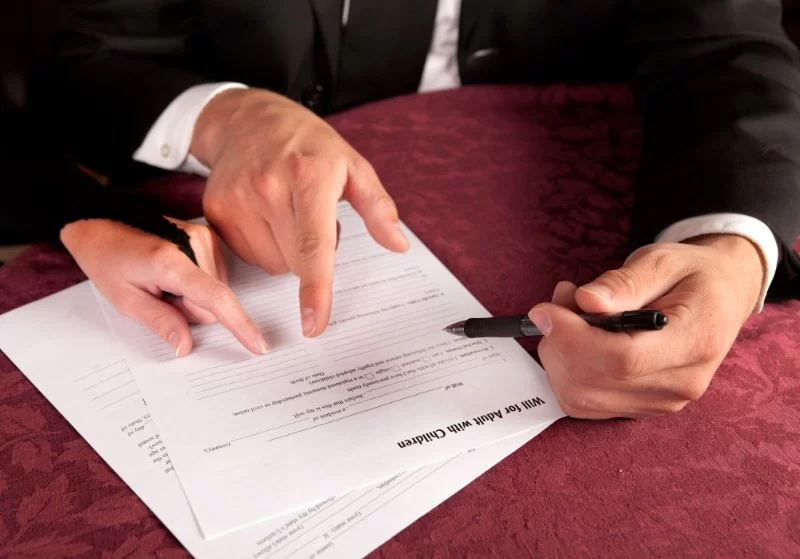
What Happens if the Executor of a Will Refuses to Serve?
When a loved one passes away, one of the most important roles in the estate administration process is that of the executor. The executor is responsible for ensuring that the deceased's wishes are carried out according to the will. But what if the executor of a will refuses to serve? This can be a complicated situation, and one that I’ve encountered several times in my practice. In this article, I’ll break down the potential consequences of an executor refusing to serve, and what alternatives or actions can be taken to resolve the situation.
1. Understanding the Role of the Executor
Before diving into the specifics, it’s important to understand the role of an executor. An executor is a person or institution appointed by the testator (the person who has made the will) to carry out the terms of the will after their death. This can include settling debts, distributing assets to beneficiaries, filing tax returns, and overseeing the general administration of the estate. Executors are usually trusted individuals such as family members, close friends, or even professionals like attorneys or accountants.
For many people, the role of an executor is a significant responsibility, which can sometimes be burdensome or complex. I’ve seen cases where an executor refuses to serve because they feel overwhelmed by the duties, or they don’t feel equipped to handle the legal complexities of the process. But what happens when this occurs?
2. Voluntary Refusal: When an Executor Chooses Not to Serve
If the executor decides not to serve, it’s generally their right to step down. This can happen before or after they formally accept the role. I’ve worked with clients who were initially named as executors but decided to refuse the role for personal reasons—often due to the emotional strain of handling a loved one’s estate. In most states, the process is relatively simple: the executor can file a formal renunciation, essentially stating that they do not wish to serve in the role.
However, it’s important to note that once an executor has formally accepted the role, they may face certain legal and financial liabilities if they choose to back out. This is something I always advise my clients to be mindful of. If they’ve already started the probate process, their refusal to continue could delay the process and even lead to further complications.
3. The Impact of an Executor’s Refusal
So, what happens when an executor refuses to serve? The immediate consequence is that the probate process may be delayed. If the named executor steps down early in the process, it can cause a delay as a new executor will need to be appointed. If a will has named an alternate executor, that person may step in, but if no alternate is listed, the court will need to appoint a new one.
This situation is not uncommon, especially when there are multiple individuals named in the will, or when the named executor feels they cannot handle the responsibility. I’ve had cases where family members disagreed on who should take on the role, or where the executor felt it was a conflict of interest to serve due to their relationship with the other beneficiaries. This can often lead to lengthy delays while the court sorts out the situation.
4. What Happens If No Executor is Willing to Serve?
In some cases, it may happen that no one named in the will is willing or able to serve as the executor. This can happen for a variety of reasons, such as a lack of interest, potential conflicts of interest, or incapacity. If this is the case, the court will appoint a personal representative, which is another term for an administrator, to handle the estate. This person is usually a neutral third party, like a lawyer or a trust company, who will take on the responsibilities of administering the estate.
If you’re in this situation, I recommend contacting a professional like an estate lawyer to guide you through the court process. At Fred Miller Lawyer, we help clients navigate these complex issues, including helping them understand the nuances of appointing a new executor or personal representative.
5. What Are the Legal Consequences for an Executor Who Refuses to Serve?
If the executor refuses to serve after they’ve already accepted the responsibility, they may face certain legal consequences. The refusal can potentially delay the probate process, and it might create additional costs, including legal fees, as the court must get involved to appoint a new executor or administrator. In cases where an executor has already started the probate process and then refuses to serve, the beneficiaries might argue that the executor is breaching their fiduciary duty. This could result in legal action, particularly if the refusal has caused financial harm to the estate.
6. How to Avoid Executor Refusal in the Future
To avoid complications with an executor who refuses to serve, there are a few steps I recommend taking during the estate planning process. The first is to ensure that you name an alternate executor in your will. Having a backup plan in place will ensure that if the primary executor is unable or unwilling to serve, someone else can step in smoothly.
Another step is to discuss your role as an executor with the person you intend to name. It’s a good idea to ensure they are willing to serve and understand the responsibilities involved before finalizing your will. This conversation can help prevent surprises later on, and I have seen firsthand how this discussion can prevent future conflict and delays.
7. Conclusion: Moving Forward After Refusal
If an executor refuses to serve, it can feel like a major setback in the probate process. However, with the right steps in place and the assistance of an experienced attorney, the situation can usually be resolved efficiently. The key is understanding your options, whether that’s appointing an alternate executor or seeking court intervention to appoint a new representative. It’s always wise to seek legal counsel to navigate these issues and ensure that your loved one’s estate is administered as smoothly as possible.
< disability lawyers gastonia nc
 massey and stotser
 9100 wilshire boulevard beverly hills ca
 pollock lawyer
 top dog law charlotte nc
 zdrilich injury law llc