
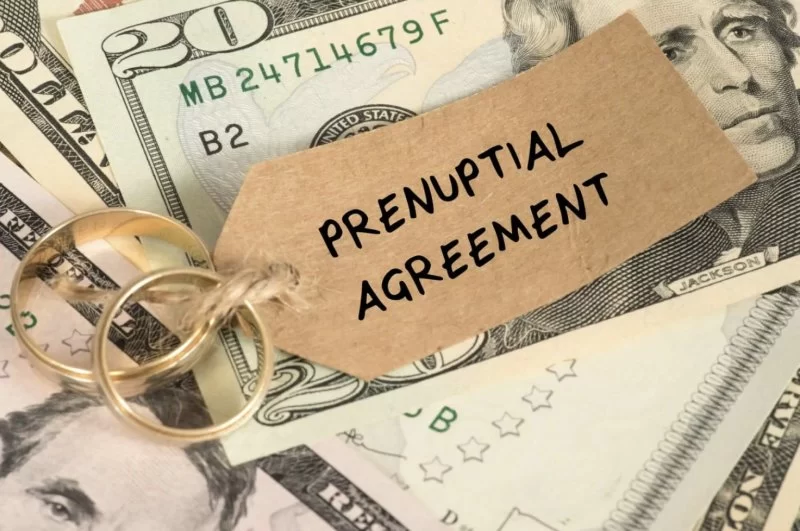
Why Prenuptial Agreements Matter and What to Include
Getting married is one of the most significant milestones in life, filled with love, joy, and the promise of a shared future. But along with the excitement of planning a life together comes the reality of managing finances, property, and responsibilities. This is where a prenuptial agreement, often called a prenup, can come in handy. While the idea of discussing a prenuptial agreement before marriage might feel awkward, it’s actually one of the most important steps you can take to protect both your financial and emotional well-being.
As someone who believes in setting clear expectations for the future, I see the value in having a prenuptial agreement. After all, it’s not just about protecting assets, but also about ensuring that both parties are on the same page regarding important issues, should the unexpected happen. In this article, I’ll share why prenuptial agreements matter and what should be included to make sure they work effectively for both partners.
1. Understanding the Importance of a Prenuptial Agreement
A prenuptial agreement is a legal contract that couples sign before getting married. It outlines the division of assets, debts, and other financial responsibilities in the event of divorce or separation. While many people associate prenuptial agreements with wealthy individuals, they’re important for couples of all financial backgrounds. In fact, it’s not just the wealthy who benefit from a prenup—it’s anyone who wants to avoid complications later on. Let me explain why they are essential.
1.1. Protecting Personal Assets
One of the main reasons people get a prenuptial agreement is to protect personal assets. If you or your spouse owns property, a business, or has significant savings, a prenup can specify how these assets will be divided if the marriage ends. Without a prenup, everything you’ve accumulated during the marriage may be subject to division, depending on the state laws governing property distribution. In my case, having a prenup ensured that my personal assets and inheritance were protected, giving me peace of mind.
1.2. Addressing Debt
Another key element of a prenup is addressing debt. If one partner has significant debt before the marriage, the prenup can specify that this debt remains their responsibility. Without a prenuptial agreement, debts accrued during the marriage might be considered joint responsibility, even if one partner didn’t contribute to them. This is an important consideration for anyone entering a marriage with existing financial obligations.
1.3. Avoiding Lengthy Legal Battles
When a marriage ends, it can be an emotional and stressful time. A prenuptial agreement can help minimize conflicts during the divorce process by clearly outlining how assets, debts, and responsibilities will be divided. This reduces the need for lengthy legal battles, which can be expensive and emotionally draining. It’s a way to save time, money, and, most importantly, emotional energy. This was particularly helpful for me, as it provided a clear roadmap for handling financial matters in case of divorce, preventing unnecessary stress.
2. What to Include in a Prenuptial Agreement
Now that we understand why prenuptial agreements are essential, let’s dive into the specific clauses that should be included. A well-drafted prenuptial agreement covers a range of topics, and each one is designed to protect both parties. Here are the key components to consider:
2.1. Division of Assets
One of the most important aspects of a prenuptial agreement is how assets will be divided in the event of a divorce. This includes property, savings, investments, and anything of significant value. The agreement should clearly outline who owns what, how property will be divided, and whether assets acquired during the marriage will be considered joint property. In our case, we made sure to clarify the ownership of family heirlooms and personal property that was passed down through generations.
2.2. Spousal Support
Spousal support, also known as alimony, is another important issue to address in a prenup. This clause specifies whether one spouse will be entitled to support after a divorce, how much support will be paid, and for how long. Some couples may agree that neither spouse will seek spousal support, while others may set terms for periodic payments. This is particularly relevant if one partner has a higher earning capacity or if one person has supported the other during the marriage. I made sure that the agreement was clear about this matter to avoid future disagreements.
2.3. Protection of Family Heirlooms and Businesses
If you own a family business or have valuable heirlooms, you’ll want to ensure they are protected in the event of divorce. A prenuptial agreement can specify that certain assets, like a family business or inherited property, remain in the family and are not subject to division. This is a crucial part of the agreement if you want to ensure that family legacies are preserved. In my case, a family business clause was added to ensure that it stayed within the family, even in the event of a divorce.
2.4. Debt Responsibility
As mentioned earlier, a prenup can address how debts will be handled. If one partner brings significant debt into the marriage, the agreement can state that they will be responsible for it. This can also include credit card debt, student loans, and personal loans. If you’re entering the marriage with debt, a prenup can ensure that your spouse isn’t liable for it. Similarly, if debt is accumulated during the marriage, the prenup can specify how it will be divided. Addressing debt in the prenup can prevent misunderstandings and potential disputes later on.
2.5. Child Custody and Support (If Applicable)
While prenuptial agreements typically focus on financial matters, they can also include provisions for child custody and support. However, this part of the agreement should always be flexible, as custody and support decisions are ultimately made in the best interest of the child. Some couples use the prenup to agree on certain principles, such as joint custody or how expenses related to the child will be divided. It’s important to note that child custody and support are subject to change based on the child’s needs, so it’s best to consult a legal professional on this aspect.
3. How Prenuptial Agreements Can Benefit Your Future
Having a prenuptial agreement is not just about protecting assets; it’s about fostering open communication and trust between partners. Discussing financial matters and planning for the future before marriage helps ensure that both parties are on the same page. It also gives both partners a sense of security, knowing that their individual interests are protected.
In my experience, discussing and drafting a prenuptial agreement was a way to establish a strong foundation for our marriage. It wasn’t about anticipating divorce; it was about being proactive and transparent about our financial lives. It helped me feel more secure knowing that we had addressed potential challenges in advance, allowing us to focus on building a life together without any uncertainty about the future.
4. Recommendations from Fred Miller Lawyer
If you’re considering a prenuptial agreement, it’s essential to consult a legal professional who can help you draft a fair and enforceable contract. At Fred Miller Lawyer, we specialize in family law and prenuptial agreements, offering expert advice and personalized solutions to suit your unique situation. Whether you’re looking to protect your assets, clarify spousal support terms, or secure your family legacy, we’re here to guide you through the process with care and professionalism.
 thomas lynch lawyer
 sadek and cooper law offices llc
 haynes and haynes
 morris downing & sherred
 law offices of richard la salle
 patrick cordero law office