
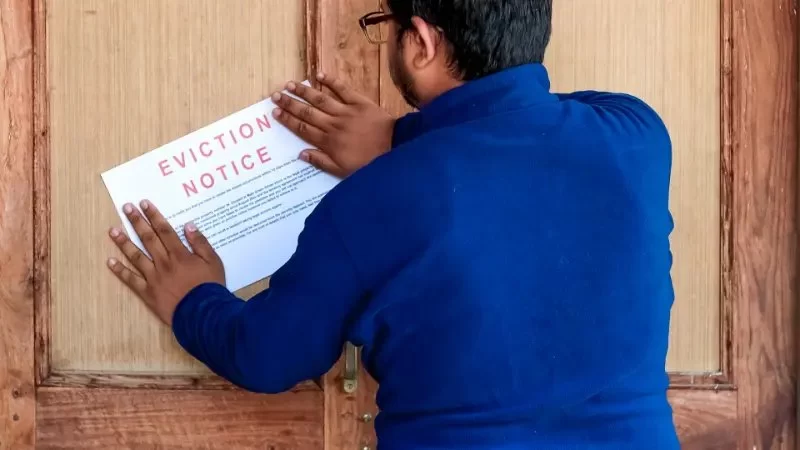
Understanding the Eviction Process
Evicting a tenant is never an easy decision, and it’s a process that requires careful consideration. As a landlord, I’ve faced situations where eviction seemed necessary, but I learned early on that it’s essential to follow the legal process to avoid serious consequences. In this guide, I’ll walk you through the steps involved in evicting a tenant without violating the law, helping you navigate the process smoothly while protecting your rights as a landlord.
1. What Constitutes a Legal Eviction?
The first thing I realized is that eviction is not as simple as asking a tenant to leave. In fact, eviction is a legal process that must be carried out according to state and local laws. As a landlord, it’s crucial to understand that you cannot just evict a tenant for any reason. There are specific grounds under which a tenant can be evicted, including non-payment of rent, violation of lease terms, or illegal activities on the property. In all cases, I’ve learned that proper documentation and a legal process are key to ensuring the eviction is handled appropriately.
2. Know the Law in Your State
Every state has its own set of eviction laws, and these laws can vary widely. When I first encountered an eviction situation, I took the time to familiarize myself with my state’s laws. Some states have "no-cause" eviction laws, while others require landlords to have specific grounds for eviction, such as failure to pay rent or lease violations. Understanding the specifics of local eviction laws is critical to ensuring that your actions are legal. Failing to follow these laws can lead to delays or even legal penalties, so I always recommend consulting an attorney if you're unsure about the rules in your state.
Steps to Evict a Tenant Legally
Once you’ve determined that eviction is necessary and understand the applicable laws, there are a series of steps you must follow to evict a tenant legally. I’ve found that staying organized and adhering to these steps can prevent mistakes and complications down the road.
1. Provide Proper Notice
The first step in the eviction process is providing the tenant with proper notice. The notice will vary depending on the reason for the eviction and the laws of your state. For example, if the tenant has not paid rent, most states require a "pay or quit" notice, which gives the tenant a set number of days (often 3-5) to pay the overdue rent or face eviction. If the tenant has violated the lease terms, a "cure or quit" notice may be required, allowing the tenant time to fix the violation. I’ve learned that it’s crucial to serve the notice properly, ensuring that it meets all the legal requirements for your state. Serving a notice incorrectly can delay the eviction process and cause complications.
2. File for Eviction in Court
If the tenant does not respond to the notice by paying rent or curing the violation, the next step is to file for eviction in court. This is a formal legal process that involves submitting documents to the local court and attending a hearing. In my experience, the court process can vary based on location, but it typically requires the landlord to provide evidence of the tenant’s non-compliance, such as a copy of the lease agreement and the notice of eviction. At the hearing, the tenant may be given the opportunity to present their side, and the judge will make a decision based on the evidence presented. It’s important to be prepared and have all necessary documentation to avoid delays.
3. Obtain a Writ of Possession
If the court rules in your favor, you’ll receive a Writ of Possession, which is a legal document that authorizes law enforcement to remove the tenant from the property if they don’t leave voluntarily. In my experience, it’s important to give the tenant adequate time to vacate after receiving this document. The law enforcement officer will then carry out the eviction, removing the tenant and their belongings from the premises. At this stage, the eviction process is complete, and you can regain possession of your property.
Avoiding Legal Mistakes When Evicting a Tenant
Throughout my experience as a landlord, I’ve learned that there are several common legal mistakes that can derail the eviction process. Here are some tips I’ve found to be essential in avoiding these pitfalls:
1. Don’t Skip Steps
One of the most important things to remember is not to skip any steps in the eviction process. Every state has specific requirements for serving notices, filing with the court, and handling tenants. I once made the mistake of assuming a tenant would leave after receiving a notice, only to find out that I had to go through the full legal process. Skipping steps can result in a dismissal of the eviction case, causing unnecessary delays and complications.
2. Don’t Engage in Self-Help Eviction
Self-help eviction refers to actions like changing locks, shutting off utilities, or physically removing the tenant’s belongings. While it might be tempting to take matters into your own hands, I learned that self-help eviction is illegal in most states. Even if a tenant has stopped paying rent, you are not legally allowed to evict them without going through the formal court process. Engaging in self-help eviction can lead to legal penalties and potentially costly lawsuits.
3. Keep Good Records
Throughout the eviction process, maintaining thorough records is essential. I make sure to document every interaction with my tenants, including notices, payments, communications, and court filings. Having a paper trail ensures that you can present solid evidence if the case goes to court. It also helps protect you from legal challenges if the tenant disputes the eviction later on.
Where to Find Legal Assistance
If you find yourself struggling with the eviction process or need help navigating the complexities of tenant law, it’s a good idea to consult with a professional. A lawyer who specializes in landlord-tenant law can provide valuable advice, review your paperwork, and ensure that your eviction is conducted legally. I highly recommend checking out Fred Miller Lawyer, a trusted resource for legal assistance in eviction matters. They can guide you through the process and help you avoid costly mistakes.
Evicting a tenant is a difficult and often emotional process, but it’s crucial to follow the law every step of the way. By understanding the legal requirements, being prepared with documentation, and seeking professional help when needed, you can navigate the eviction process smoothly and protect your rights as a landlord.
 d'agostino law firm
 1180 peachtree street northeast atlanta ga
 burgis and associates
 chowdhury law firm
 525 n tryon st suite 1600 charlotte nc 28202
 goldberg sager & associates