
1. Understanding Uninsured and Underinsured Motorist Claims
When it comes to car accidents, there are many factors to consider. One of the most challenging situations arises when the other driver involved in the accident either doesn't have insurance or has insufficient coverage to pay for the damages. This is where uninsured (UM) and underinsured motorist (UIM) coverage come into play. But how do these types of insurance work, and how should you handle a claim if you find yourself in this unfortunate situation?
As someone who’s had to deal with these situations before, I can tell you that understanding your rights and the steps you need to take is essential. In this article, we will dive deep into how to deal with uninsured and underinsured motorist claims and what steps you can take to protect yourself in the event of an accident.
2. What Is Uninsured and Underinsured Motorist Coverage?
Before diving into the claims process, it’s essential to understand what uninsured and underinsured motorist coverage is. Simply put, these are types of insurance coverage that can protect you if you're involved in an accident where the other driver either has no insurance (uninsured) or doesn't have enough insurance to cover the full extent of your damages (underinsured).
2.1 Uninsured Motorist (UM) Coverage
Uninsured motorist coverage protects you if you are hit by a driver who doesn’t have any car insurance. According to recent reports, about 13% of drivers in the U.S. are uninsured, which makes UM coverage a vital part of your auto insurance policy. Without this coverage, you might find yourself having to pay for your medical bills, car repairs, and other damages out of pocket if the other driver is uninsured.
2.2 Underinsured Motorist (UIM) Coverage
Underinsured motorist coverage comes into play when the at-fault driver’s insurance is not enough to cover the full cost of your damages. For example, if the other driver only has the minimum required insurance but your medical bills and car repair costs exceed their policy limits, UIM coverage helps cover the remaining amount. Having this coverage ensures that you're not left paying out of pocket when the other driver’s insurance falls short.
3. Steps to Take After an Accident with an Uninsured or Underinsured Driver
If you’ve been involved in an accident with an uninsured or underinsured driver, it’s crucial to take the right steps immediately. These steps will help protect your rights and ensure that you are compensated for your damages. Here's what to do:
3.1 File a Police Report
One of the first things you should do after any accident, whether the other driver is insured or not, is to file a police report. This documentation serves as a critical record of the incident and can be used as evidence in your claim. The police will collect all necessary information, including the at-fault driver’s details, which can help in the claims process if the other driver is uninsured.
3.2 Contact Your Insurance Company
Next, contact your own insurance company as soon as possible to report the accident. If you have uninsured or underinsured motorist coverage, let them know and provide them with all the details of the incident. Your insurance company will guide you through the next steps and help you file a claim under your policy. Remember to be honest and thorough when explaining the circumstances of the accident.
3.3 Gather Evidence
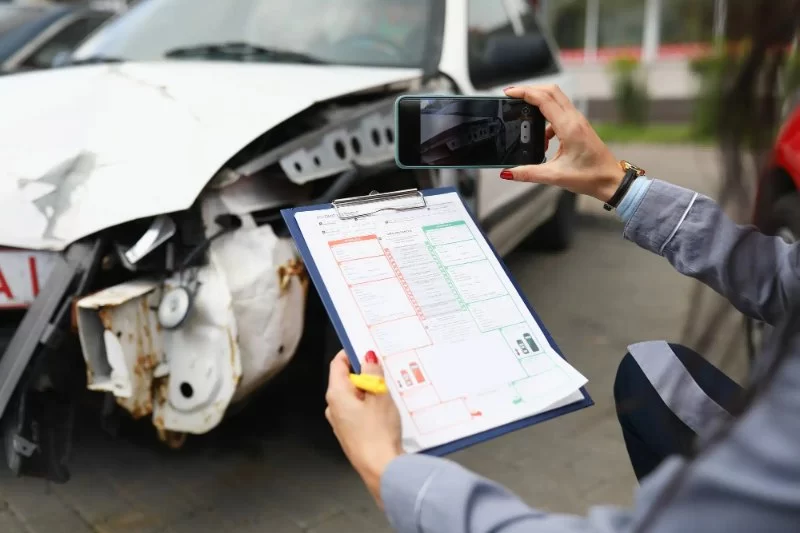
It’s essential to collect as much evidence as possible from the scene of the accident. This includes taking photos of the damages to your car, the other driver’s car, and any injuries you’ve sustained. Additionally, try to collect contact information from any witnesses who can attest to the events of the accident. This evidence can help strengthen your case and ensure you receive the appropriate compensation.
3.4 Medical Attention and Documentation
Even if you don't feel injured immediately, it’s important to see a doctor after an accident. Sometimes injuries from a car accident, such as whiplash or soft tissue damage, don’t show symptoms right away. Getting checked by a healthcare professional ensures that any potential injuries are documented and treated early. This documentation can be vital if you need to pursue a claim later on.
4. How Uninsured and Underinsured Motorist Claims Work
Now that we’ve covered the steps you should take after an accident, let’s dive deeper into how uninsured and underinsured motorist claims are processed. If you’ve been injured in a car accident, the claims process can seem overwhelming, but understanding how the system works can help you feel more confident as you navigate through it.
4.1 Filing a Claim with Your Insurance
If the other driver is uninsured or underinsured, you’ll file a claim with your own insurance company. Your insurer will review the accident details and determine the extent of your coverage. If you have UM or UIM coverage, your insurance policy should cover your medical bills, vehicle repairs, and other related costs, up to the limits specified in your policy.
4.2 Settlement and Payout
Once the insurance company has reviewed your claim and approved it, they will offer you a settlement. This settlement is the amount of money that your insurer believes is fair for your damages, based on the evidence provided. If you feel the settlement is too low, you have the right to negotiate or dispute it. In some cases, this may involve legal action or mediation to reach a fair payout.
4.3 Legal Help
Dealing with uninsured or underinsured motorist claims can be challenging, especially if there are disputes about fault or the extent of your damages. In such cases, it might be helpful to consult with an experienced attorney who specializes in personal injury or insurance claims. An attorney can help you navigate the claims process, negotiate a fair settlement, and, if necessary, represent you in court. I highly recommend reaching out to a professional, such as Fred Miller Lawyer, who can provide valuable guidance during this process.
5. Conclusion: Protecting Yourself from Uninsured and Underinsured Motorists
Accidents involving uninsured or underinsured drivers can be complicated and stressful, but with the right knowledge and preparation, you can protect yourself and ensure that your damages are covered. By understanding your coverage options, taking the right steps immediately after an accident, and seeking legal help if necessary, you can make the claims process easier and more efficient. If you’re ever in need of advice or assistance, I recommend consulting with Fred Miller Lawyer, who can provide the support you need to navigate this process and get the compensation you deserve.
 jorge hernandez lawyer
 foley and lardner dc
 akin gump dc office
 200 w forsyth st jacksonville fl 32202
 kjt law group reviews
 kash legal group - personal injury and accident attorneys