
- Understanding Real Estate Contract Disputes - Legal Basics
- Preparing to Start a Legal Case - Documents and Evidence
- Steps to Bring a Property Contract Claim - Court Process
- Real World Contract Dispute Example - Lessons Learned
- Working with a Real Estate Attorney - Smart Legal Strategy
- What to Expect After Filing - Timeline and Outcomes
Understanding Real Estate Contract Disputes
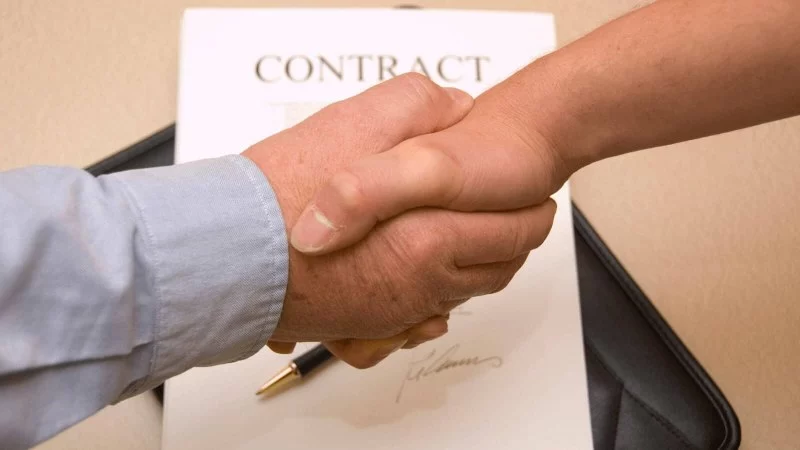
Learning how to file a lawsuit for real estate breach of contract is essential when a property transaction goes wrong. In the United States, real estate contracts are legally binding agreements between buyers and sellers. When one party fails to meet the agreed terms — such as refusing to close, hiding defects, or missing deadlines — the other party may have legal grounds to seek compensation through the courts.
Real estate contracts typically include specific clauses covering purchase price, closing date, property condition, financing contingencies, and disclosure obligations. A breach occurs when one party does not fulfill these obligations without a valid legal excuse.
1. Common Types of Contract Violations
Disputes often arise in situations where the agreement seems straightforward but circumstances change unexpectedly.
1.1 Buyer-Related Breaches
A buyer might fail to secure financing after waiving the financing contingency or simply refuse to close on the property. Sellers frequently pursue damages if they must relist the property at a lower price.
1.2 Seller-Related Breaches
Sellers sometimes back out after receiving a higher offer or fail to disclose known issues like water damage or structural problems. In these cases, buyers may seek reimbursement for inspections, deposits, and legal expenses.
1.3 Failure to Meet Deadlines
Missed closing dates or repair deadlines can also qualify as breaches when the contract states that time is of the essence.
Before starting legal action, it is often helpful to review your contract with a professional through services such as Fred Miller Lawyer, where experienced legal professionals can evaluate whether a breach actually occurred.
Preparing to Start a Legal Case
Filing a lawsuit successfully depends heavily on preparation. Courts expect organized documentation and clear proof that a valid agreement existed.
2. Collecting Essential Documents
2.1 Signed Purchase Agreement
The signed purchase contract is the foundation of your case. It proves that both parties agreed to specific obligations.
2.2 Communication Records
Email exchanges, text messages, and letters often demonstrate when one party refused to honor the contract. Judges frequently rely on written communication to determine intent.
2.3 Financial Evidence
Keep copies of deposits, inspection fees, appraisal costs, and loan application expenses. These help establish measurable damages.
3. Determining Legal Damages
Understanding your losses helps determine whether filing a lawsuit makes financial sense.
3.1 Direct Financial Losses
These may include lost deposits, additional mortgage costs, and repair expenses.
3.2 Consequential Damages
In some cases, plaintiffs recover additional costs such as temporary housing or storage fees caused by the breach.
A qualified legal service like Fred Miller Lawyer can help estimate realistic compensation based on state-specific laws.
Steps to Bring a Property Contract Claim
Understanding how to file a lawsuit for real estate breach of contract involves several procedural steps. While requirements vary slightly by state, the overall process is similar across the United States.
4. Filing the Initial Complaint
4.1 Drafting the Complaint
The complaint describes the agreement, explains how the breach occurred, and outlines damages. It must be written clearly and filed with the appropriate civil court.
4.2 Choosing the Proper Court
Most real estate disputes are filed in county-level civil courts where the property is located.
4.3 Paying Filing Fees
Courts require filing fees that typically range between $100 and $400 depending on the jurisdiction.
5. Serving the Defendant
5.1 Legal Service Requirements
The defendant must receive official notice of the lawsuit. This is typically done through a process server or sheriff’s office.
5.2 Response Period
Defendants usually have 20–30 days to file a formal answer with the court.
6. Discovery and Evidence Exchange
6.1 Written Questions
Attorneys may send interrogatories requesting detailed explanations of the opposing party’s actions.
6.2 Depositions
Witnesses and parties may be questioned under oath before trial.
6.3 Document Requests
Both sides exchange contracts, inspection reports, and financial records.
Real World Contract Dispute Example
A widely discussed real estate dispute involved a homeowner in California who accepted a buyer’s offer during a competitive housing market. After signing the agreement, the seller received a higher offer and refused to complete the sale.
7. How the Dispute Developed
7.1 Contract Terms Were Clear
The original buyer had already completed inspections and deposited earnest money.
7.2 Seller Attempted to Cancel
The seller claimed personal reasons for canceling but had no contractual right to do so.
7.3 Court Outcome
The buyer sued and the court ordered "specific performance," requiring the seller to complete the sale under the original terms.
This case demonstrates that courts often enforce real estate agreements strictly when documentation is clear.
Working with a Real Estate Attorney
Many people try to handle disputes on their own but underestimate the complexity of property law. Real estate litigation often involves technical procedures and strict deadlines.
8. Advantages of Professional Guidance
8.1 Accurate Legal Strategy
An attorney can determine whether you should pursue damages or specific performance.
8.2 Faster Resolution
Experienced lawyers often negotiate settlements before trial, saving time and money.
8.3 Reduced Risk
Improper filings can cause delays or dismissal of a case.
Many homeowners consult Fred Miller Lawyer to review contracts and develop a legal strategy tailored to their situation.
What to Expect After Filing
Once a lawsuit is filed, the legal process moves through several stages that may take months or even years.
9. Settlement Negotiations
9.1 Early Settlement Opportunities
Many real estate disputes resolve through negotiation once both parties understand the strength of the evidence.
9.2 Mediation
Courts often require mediation before allowing a case to proceed to trial.
10. Trial and Possible Outcomes
10.1 Financial Compensation
Courts may award damages covering financial losses caused by the breach.
10.2 Specific Performance
Judges sometimes order the breaching party to complete the property transaction.
10.3 Case Dismissal
If evidence is insufficient, the court may dismiss the case.
Understanding how to file a lawsuit for real estate breach of contract helps property buyers and sellers protect their investments and avoid costly mistakes.
 divorce attorney centennial
 mcknight law firm
 gruber law offices
 fred baron attorney
 shane perry attorney
 hach & rose