
- 1. Understanding Uninsured and Underinsured Motorist Claims
- 2. Steps to Take After an Accident with an Uninsured or Underinsured Driver
- 3. How Insurance Companies Handle Uninsured Motorist Claims
- 4. Legal Options if Your Insurance Fails to Compensate You
- 5. Working with an Attorney to Handle Your Uninsured or Underinsured Claim
1. Understanding Uninsured and Underinsured Motorist Claims
When you're involved in a car accident, the last thing you want is to face a situation where the at-fault driver is uninsured or underinsured. Unfortunately, this happens more often than you might think. Uninsured motorist claims (UM) and underinsured motorist claims (UIM) provide a safety net for victims of accidents caused by drivers without adequate insurance coverage.
An uninsured motorist (UM) is someone who doesn't have any auto insurance at all, while an underinsured motorist (UIM) has some insurance but not enough to cover the full cost of your damages. If you're injured or your vehicle is damaged in such an accident, these claims can help cover your medical bills, car repairs, and more. However, dealing with these claims can be challenging without the right knowledge and support.
2. Steps to Take After an Accident with an Uninsured or Underinsured Driver
After a car accident with an uninsured or underinsured motorist, it's essential to follow the right steps to protect your rights and ensure your claim is handled properly. Here's what you should do:
1. Gather Evidence
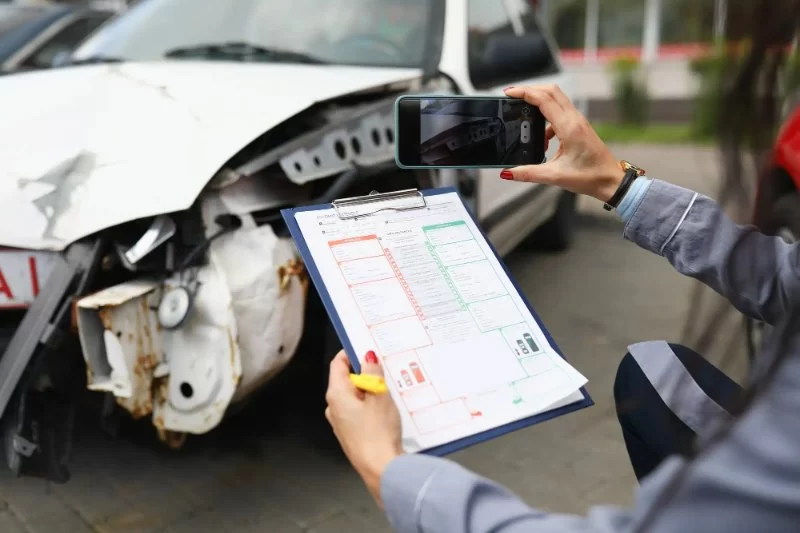
Start by documenting the accident scene. Take pictures of the damage to your vehicle, the scene of the accident, and any visible injuries. Collect contact information from witnesses and the at-fault driver (if possible). If the driver is uninsured, it’s even more crucial to gather solid evidence since your claim may rely heavily on your account and proof of the incident.
2. Report the Accident
Always file a police report after an accident, especially when dealing with an uninsured or underinsured driver. A police report provides an official record of the accident and can be an important piece of evidence when filing a claim with your insurance company.
3. Contact Your Insurance Company
Notify your insurance company as soon as possible about the accident. If you have uninsured or underinsured motorist coverage, your insurer will assess your claim and begin the process of covering your damages. It’s important to understand that your insurance premiums may increase after filing such a claim, but the protection it offers is often worth the investment.
4. Be Prepared for Delays
Dealing with uninsured or underinsured motorists can take time. Insurance companies may need to investigate the accident thoroughly before approving your claim. Be patient but stay on top of the process to ensure everything is moving forward efficiently.
3. How Insurance Companies Handle Uninsured Motorist Claims
Insurance companies typically handle uninsured and underinsured motorist claims in the following ways:
1. Claim Review
Your insurance company will first verify that the other driver was uninsured or underinsured. If this is confirmed, the next step is to review the details of your claim, including medical bills, repair costs, and other damages. If you have uninsured motorist coverage, your policy will likely cover a portion of the costs depending on the limits you’ve set in your policy.
2. Compensation for Injuries
If the accident resulted in injuries, your insurer will also examine medical records, bills, and reports from healthcare professionals. If you have underinsured motorist coverage, your insurance may cover any remaining costs that the at-fault driver's insurance did not fully address. This can include pain and suffering, lost wages, and future medical treatment.
3. Handling Denials or Delays
Sometimes, insurance companies may try to deny or delay claims, especially if they question the extent of the damages or injuries. It’s important to be prepared for these challenges and to work with professionals, such as lawyers or claim adjusters, to advocate for your case.
4. Legal Options if Your Insurance Fails to Compensate You
If your insurance company denies or undervalues your claim, you may need to pursue legal action. Here are some options:
1. Filing a Lawsuit Against the Uninsured or Underinsured Driver
If the at-fault driver is uninsured, and you are unable to recover your damages through your own insurance, you may have the option of filing a lawsuit directly against the driver. However, this can be a lengthy and difficult process, especially if the driver has limited financial resources.
2. Pursuing Bad Faith Insurance Claims
If your insurance company unreasonably delays or denies your claim, you may have grounds for a bad faith insurance claim. In such cases, your insurer’s actions can be challenged legally, and you may be entitled to additional compensation for the inconvenience and damages caused by their refusal to pay.
5. Working with an Attorney to Handle Your Uninsured or Underinsured Claim
Dealing with uninsured or underinsured motorist claims can be overwhelming, especially if the insurance company is uncooperative or if the at-fault driver is financially incapable of paying damages. This is where an experienced attorney can make all the difference.
1. Why You Need a Lawyer
Hiring a personal injury lawyer or a lawyer specializing in insurance claims can help you navigate the complexities of your claim. A lawyer will handle negotiations with the insurance company, gather necessary evidence, and, if needed, represent you in court to ensure that you receive fair compensation.
2. How a Lawyer Can Help
An attorney can help ensure that you do not settle for less than you deserve. They can also assist in gathering medical records, witness testimonies, and other critical pieces of evidence to strengthen your case. Furthermore, if your insurance company tries to undervalue your claim, a lawyer can help you fight for the full compensation you’re entitled to.
If you're facing difficulties with your uninsured or underinsured motorist claim, it's important to consult with a lawyer who understands the legal intricacies of insurance claims. At Fred Miller Lawyer, we specialize in helping clients like you secure fair compensation after accidents with uninsured or underinsured motorists.
 thomas lynch lawyer
 sadek and cooper law offices llc
 haynes and haynes
 morris downing & sherred
 law offices of richard la salle
 patrick cordero law office