
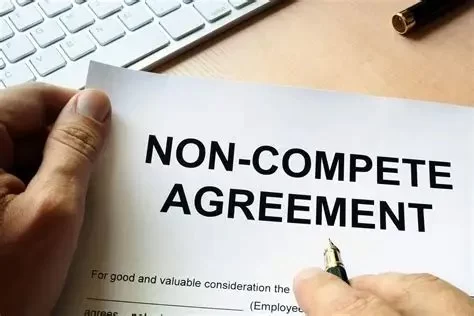
How Non-Compete Agreements Affect Your Career Opportunities
Non-compete agreements are common in many industries, often used by employers to protect their business interests. These legal documents prevent employees from working for competitors or starting their own competing businesses for a certain period of time after leaving the company. While these agreements can offer protection for employers, they can significantly affect your career opportunities and professional growth. In this article, we’ll explore the impact of non-compete agreements on your career, including potential job restrictions, how they can limit your career options, and how to navigate these challenges.
1. What is a Non-Compete Agreement?
A non-compete agreement is a contract between an employer and an employee, stipulating that the employee will not enter into direct competition with the employer for a specified period of time after their employment ends. Typically, these agreements are used in industries where proprietary information, trade secrets, or client relationships are critical to the business’s success. The terms of a non-compete agreement may vary, but they often restrict employees from:
- Working for a direct competitor.
- Starting a competing business within a certain geographic area.
- Taking clients or employees from the employer’s business.
These clauses are designed to prevent former employees from using confidential business information or expertise gained during their employment to benefit a competing company. However, while they are advantageous to employers, non-compete agreements can pose significant limitations for employees.
2. How Non-Compete Agreements Limit Career Opportunities
Non-compete agreements can significantly affect your ability to move freely between companies or start your own business. Below are some key ways that non-compete agreements can limit your career options:
- Restricted Job Mobility: If you are bound by a non-compete, you may be unable to take a job with a competitor, even if it’s a better opportunity or a significant career advancement. This can be especially problematic in industries where job opportunities are concentrated within a few key players.
- Geographic Limitations: Many non-compete agreements include geographic restrictions, preventing employees from working in specific regions or markets where the employer operates. This can limit your ability to pursue job offers in those areas.
- Entrepreneurial Barriers: If you have dreams of starting your own business, a non-compete agreement may prohibit you from entering the market with a competing product or service, even if your business idea is distinct from your previous employer’s.
3. Legal Considerations: Are Non-Compete Agreements Enforceable?
One of the biggest concerns employees have regarding non-compete agreements is whether these contracts are enforceable. In many states, non-compete agreements are subject to strict legal standards. For instance, some jurisdictions may invalidate non-compete clauses that are deemed too broad or restrictive. To be enforceable, non-compete agreements typically need to meet the following criteria:
- Reasonable Duration: The duration of the restriction must be reasonable and not unduly long. While this varies by state, non-competes lasting longer than a few years are often considered too long.
- Limited Geographic Scope: The geographic area covered by the non-compete must be limited to the areas where the employer does business.
- Protection of Legitimate Business Interests: The employer must demonstrate that the non-compete agreement is necessary to protect their business interests, such as trade secrets, client relationships, or proprietary information.
If a non-compete agreement seems overly restrictive or unreasonable, it may be worth consulting with a lawyer to determine its enforceability. In many cases, legal counsel can help negotiate or challenge the terms of a non-compete agreement.
4. How to Navigate Non-Compete Agreements
If you find yourself bound by a non-compete agreement, there are steps you can take to minimize the impact it has on your career. Here are some strategies:
- Consult with Legal Experts: Before signing any agreement, it’s important to seek legal advice. A lawyer can help you understand the terms and advise on whether the agreement is fair and enforceable. If you’re already bound by a non-compete, they can guide you on how to challenge it or negotiate its terms.
- Seek a Settlement: In some cases, it may be possible to negotiate with your employer to shorten the non-compete period or reduce geographic restrictions. Some companies are open to these changes, especially if you have valuable experience or skills.
- Consider Alternative Roles: If your non-compete prevents you from working for a competitor, consider applying for positions that are outside the scope of the agreement but still within your area of expertise. For example, roles in a different industry or a non-competitive niche can be viable alternatives.
5. Real-Life Case: A Career Limitation Story
Consider the case of Sarah, a marketing manager at a technology company. After working with the company for several years, she decided to move to a competitor for a higher position. However, Sarah had signed a non-compete agreement when she joined the company. When she tried to accept the new offer, her former employer enforced the non-compete clause, preventing her from working for the competitor in the same geographic area for six months.
Sarah consulted with an employment lawyer and learned that her non-compete agreement was unenforceable due to overly broad geographic restrictions. With the lawyer’s help, she was able to negotiate an early release from the agreement, allowing her to take the new position earlier than originally planned. This experience highlights how important it is to understand the terms of your contract and seek legal advice if necessary.
6. Conclusion: Protecting Your Career Interests
Non-compete agreements can present significant challenges to your career advancement. However, with the right legal advice and strategies, you can navigate these agreements and protect your career interests. Always ensure that you fully understand the terms of any non-compete agreement before signing, and consider consulting with an experienced attorney if you’re unsure about its impact on your future job prospects.
If you’re facing a non-compete agreement and need advice on how to proceed, don’t hesitate to reach out to Fred Miller Lawyer. They can offer expert guidance on how to handle these types of legal matters and help you make informed decisions about your career opportunities.
 randy zelin
 charles laputka attorney
 bachus & schanker law firm
 nick snyder law firm
 sears locations in colorado springs co
 9440 santa monica blvd beverly hills ca 90210