
Understanding the Grand Jury Investigation Process
If you're facing a grand jury investigation, it's important to understand what this process involves and what you can expect. Whether you're involved as a witness or a potential subject of the investigation, knowing the steps and your rights is crucial. In this article, I’ll walk you through the grand jury process, the legal implications, and what you should do if you find yourself involved in one.
1. What is a Grand Jury?
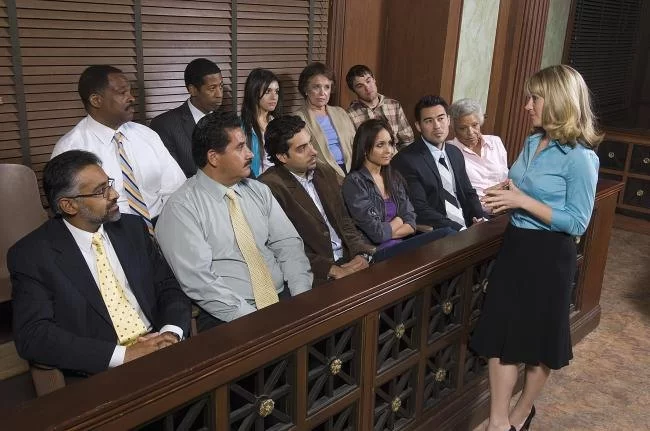
A grand jury is a group of citizens selected to review evidence and determine whether there is enough probable cause to charge someone with a crime. Unlike a trial jury, which determines guilt or innocence, a grand jury’s role is to decide if there is enough evidence to move forward with a formal indictment. Grand juries typically operate in secrecy, with proceedings kept confidential to protect the integrity of the investigation.
1.1 The Role of the Grand Jury
The grand jury serves as a check on prosecutorial power. It ensures that criminal charges are not brought unless there is sufficient evidence to support them. This helps prevent wrongful prosecutions. However, it’s important to note that grand juries typically meet in private, and the individuals being investigated may not know they are being investigated until an indictment is handed down.
1.2 Who Decides What Happens in a Grand Jury Investigation?
The prosecutor runs the grand jury investigation. They present evidence, call witnesses, and ask questions to guide the grand jury's decision. Defense attorneys and the accused are not allowed to present evidence or cross-examine witnesses during grand jury proceedings. It’s a process tilted toward the prosecution, but the grand jury still has the power to decline to indict if they feel the evidence isn't sufficient.
2. How Does the Grand Jury Investigation Work?
Grand jury investigations can seem intimidating, but understanding the process can help you feel more prepared. Here’s an overview of what typically happens during a grand jury investigation.
2.1 The Initiation of the Investigation
Grand jury investigations usually begin with the presentation of evidence by a prosecutor. The prosecutor may have gathered evidence during the course of a criminal investigation, and they’ll present this evidence to the grand jury to determine whether it’s sufficient to bring charges against someone.
2.2 The Role of Witnesses
During the investigation, the grand jury may call witnesses to testify. In many cases, these are individuals who have information related to the crime under investigation. Witnesses may be compelled to testify and may even be subpoenaed to appear before the grand jury. It’s important to note that witnesses don’t have the same rights as the accused—they don’t have the right to remain silent and can be asked tough questions by the prosecutor.
2.3 The Grand Jury’s Decision
After reviewing the evidence and hearing from witnesses, the grand jury will vote on whether to issue an indictment. In most cases, a simple majority vote is enough to indict someone. However, a grand jury can also choose to return a “no bill,” meaning they decide not to charge anyone with a crime. If an indictment is issued, the case moves forward to trial.
3. What Rights Do You Have During a Grand Jury Investigation?
Being involved in a grand jury investigation can be stressful, especially if you’re called to testify or are a target of the investigation. Understanding your rights is crucial during this process. Here are some important rights to keep in mind:
3.1 The Right to Counsel
Although you can’t have a lawyer present during the grand jury proceedings, you do have the right to consult with an attorney before and after your testimony. A lawyer can help you understand your rights, prepare for your testimony, and guide you through the legal aspects of the investigation. If you’re a target of the investigation, an attorney is essential to protect your interests.
3.2 The Right to Remain Silent
If you’re called as a witness in a grand jury investigation, you must testify. However, you don’t have to answer every question. If you believe that answering a question could incriminate you, you have the right to invoke the Fifth Amendment, which protects you from self-incrimination. Your lawyer can help you decide when to assert this right.
3.3 Limited Rights to Present Evidence
Unlike a criminal trial, where the defense can present evidence, in a grand jury investigation, you don’t have the right to present your side of the story or cross-examine witnesses. The prosecutor controls what evidence is presented. If you’re under investigation, it’s important to work closely with your attorney to understand the evidence against you and any potential defenses.
4. What Should You Do If You Receive a Grand Jury Subpoena?
Receiving a grand jury subpoena can be a daunting experience, but how you respond is crucial. Here’s what you should do if you receive a subpoena:
4.1 Contact an Attorney
First and foremost, you should contact an attorney as soon as possible. An experienced criminal defense lawyer will be able to guide you through the process, help you understand the implications of the subpoena, and represent your interests. If you’re subpoenaed as a witness, an attorney can help you prepare for the questions you’ll be asked and advise you on your rights during the proceedings.
4.2 Don’t Ignore the Subpoena
It’s important not to ignore a subpoena, as failing to comply can lead to legal consequences. If you receive a subpoena, make sure to respond appropriately by appearing in court or following the instructions provided. If you cannot comply with the subpoena for any reason, your lawyer can file a motion to modify the terms or request a delay.
4.3 Prepare for Testifying
If you’re subpoenaed to testify before the grand jury, take the time to understand the questions that may be asked and any potential risks. While you may not have the right to present a defense, your lawyer can help you navigate the process and ensure that you’re prepared to testify accurately and truthfully.
Conclusion: Navigating a Grand Jury Investigation
Being involved in a grand jury investigation can feel overwhelming, but knowing what to expect and understanding your rights can make the process less daunting. Whether you’re a witness or a target, it’s important to consult with an attorney who can provide guidance and ensure that your legal rights are protected. By taking the right steps, you can navigate the complexities of a grand jury investigation and minimize the potential consequences.
If you're facing a grand jury investigation or have questions about the process, reach out to Fred Miller Lawyer for trusted legal advice and assistance.
 michael wallace lawyer
 fuller and fuller law firm
 fotopoulos law office reviews
 david rich lawyer
 salt lake city motorcycle accident lawyer
 colby attorney services