
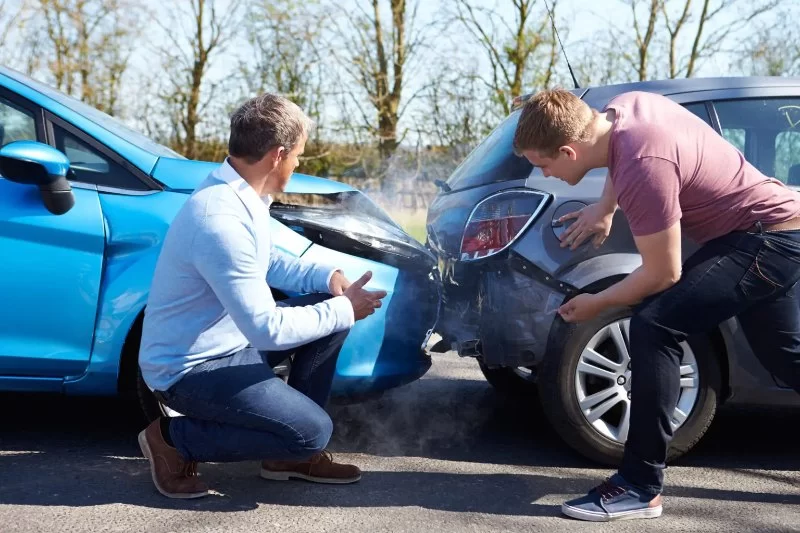
- Understanding Uninsured and Underinsured Motorist Claims
- How to Deal with Uninsured or Underinsured Motorist Claims
- Steps to Take After an Accident with an Uninsured Driver
- How an Attorney Can Help in Uninsured Motorist Cases
- Real-Life Example of Dealing with an Uninsured Motorist Claim
1. Understanding Uninsured and Underinsured Motorist Claims
When you're involved in a car accident, having the proper insurance coverage is essential. However, not every driver on the road has the necessary insurance to cover the costs associated with an accident. This is where uninsured and underinsured motorist coverage comes into play.
Uninsured motorist (UM) coverage is a type of insurance that protects you if you are hit by a driver who doesn't have insurance. Underinsured motorist (UIM) coverage, on the other hand, applies if the at-fault driver has insurance, but their coverage is insufficient to cover all of your damages. These types of insurance are vital for protecting your financial well-being when the other driver cannot fully compensate you for your injuries and damages.
2. How to Deal with Uninsured or Underinsured Motorist Claims
If you're involved in an accident with an uninsured or underinsured driver, it can be frustrating. Here’s what you need to know to deal with the claim process effectively:
2.1. Contact Your Insurance Company
The first step in handling an uninsured or underinsured motorist claim is to contact your own insurance company. If you have UM or UIM coverage, your insurer will work with you to cover the damages. They will help assess the situation and guide you through the process of filing the claim. Be sure to provide all relevant information, including details of the accident, the other driver’s lack of insurance or insufficient coverage, and any documentation of injuries or damages.
2.2. File a Claim with Your Insurer
Once you’ve contacted your insurance company, you’ll need to file a claim. Your insurer will evaluate the evidence, including police reports, medical records, and any other documentation that proves the extent of the damages or injuries. This is a critical part of the process, as the more thorough your documentation, the stronger your claim will be.
2.3. Negotiate with Your Insurance Company
After your claim is filed, the insurance company will assess the damages and may offer a settlement. In some cases, the insurer may not offer enough to cover all your expenses. It’s important to be prepared to negotiate. This may involve providing additional documentation, such as medical bills or proof of lost wages. If your insurer is unwilling to settle fairly, you may need to consider legal action.
3. Steps to Take After an Accident with an Uninsured Driver
If you are involved in an accident with an uninsured driver, there are several key steps you should take to protect your rights and ensure that you have the necessary coverage:
3.1. Gather Evidence
It’s crucial to gather as much evidence as possible from the scene of the accident. This includes taking photos of the damage to both vehicles, noting the other driver’s details, and speaking with any witnesses. If the other driver is uninsured, their information will be crucial for your insurance claim.
3.2. Contact Law Enforcement
Even if the accident seems minor, it’s essential to call the police. A police report will document the details of the accident and provide an official record. This can be extremely helpful when filing your insurance claim and may also be necessary if you need to take legal action.
3.3. Seek Medical Attention
If you are injured in the accident, seek medical attention immediately. Even if you don’t feel pain right away, some injuries may not show symptoms immediately. Documentation of your injuries is critical for both your insurance claim and any potential legal action.
4. How an Attorney Can Help in Uninsured Motorist Cases
Dealing with an uninsured or underinsured motorist claim can be complex and stressful. Having an attorney who specializes in auto accident and insurance claims can make the process much easier. Here’s how an attorney can help:
4.1. Legal Expertise
An attorney will provide valuable legal expertise and guide you through the entire claims process. They can help you understand your rights, deal with your insurance company, and ensure you receive the maximum compensation possible.
4.2. Negotiation Skills
Insurance companies are known for offering low settlements, especially in uninsured or underinsured motorist claims. An attorney can negotiate on your behalf, ensuring that your settlement covers all medical bills, lost wages, and other damages.
4.3. Litigation Support
If the insurance company refuses to provide a fair settlement, an attorney can take legal action against the responsible parties. This may involve filing a lawsuit and representing you in court. Having an experienced lawyer by your side can improve your chances of receiving a favorable outcome.
5. Real-Life Example of Dealing with an Uninsured Motorist Claim
Consider the case of a client who was involved in a serious car accident with an uninsured driver. After the accident, the client’s insurance company initially offered a minimal settlement. However, with the help of a skilled attorney, they were able to secure a significantly higher settlement to cover medical expenses, lost wages, and pain and suffering. The attorney’s negotiation skills and knowledge of the law played a pivotal role in achieving a fair outcome.
This case highlights the importance of seeking legal assistance when dealing with uninsured or underinsured motorist claims. At Fred Miller Lawyer, we specialize in helping clients navigate these challenging situations and ensure they receive the compensation they deserve.
 randy zelin
 charles laputka attorney
 bachus & schanker law firm
 nick snyder law firm
 sears locations in colorado springs co
 9440 santa monica blvd beverly hills ca 90210